
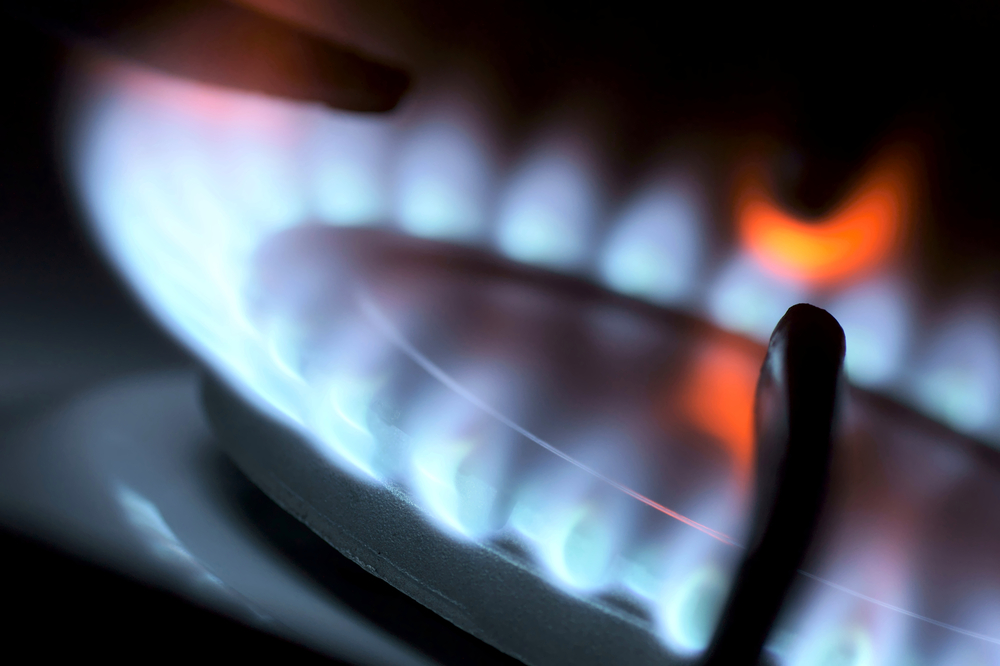
If You Detect a Sulfur-Like Odor, Unusual Sounds, or Dying Vegetation, Leave Immediately and Contact Emergency Services
Natural gas comes with an added chemical that makes it smell like rotten eggs. That weird, sulfur-like odor is there for a reason—so you notice leaks fast.
Listen for hissing or whistling near gas lines or appliances. Odd sounds like these usually mean gas is escaping, and you don’t want to ignore that.
Warning signs to watch for:
- Strong sulfur or spoiled egg smell
- Hissing or whistling near pipes
- Unexplained dead or dying plants
- Visible dust clouds near gas lines
- Physical symptoms like dizziness or nausea
If you spot any of these, get everyone out of the building right away. Seriously, don’t touch light switches, phones, or anything that could spark.
Once you’re safely outside, call Philadelphia Gas Works emergency line or 911. Don’t re-enter until the pros say it’s okay.
Identifying Warning Signs of a Gas Leak
Observable Clues Within Your Property
The classic giveaway is that rotten egg smell. Gas companies add it on purpose so you’ll know if something’s wrong.
Don’t ignore weird noises around your furnace, stove, or gas meter. Hissing or whistling sounds, especially paired with that smell, are a red flag.
Check for bubbles in puddles or standing water outside near your meter. That’s a sneaky sign of gas escaping underground.
Wilting or dead plants near outdoor gas lines can also mean trouble. It’s not just bad luck for your landscaping.
Look over your gas system once in a while. Rusty pipes, damaged connectors, or loose fittings are all worth noting.
If you’ve had any digging or construction near buried gas lines, be extra cautious. Accidental bumps happen.
Physical Reactions to Gas Exposure
Your body knows when something’s off. Headaches, dizziness, or nausea can hit if you’re breathing in gas, even at low levels.
Eyes and throat might get irritated, too. If you leave the area and feel better, that’s a clue.
More gas means worse symptoms—trouble breathing, confusion, maybe even passing out. Not something to mess around with.
Kids, older folks, and pets might show signs before you do. Keep an eye on them if you’re suspicious. And remember, carbon monoxide is a different beast—you need a separate detector for that.
Typical Sources of Gas Leaks
Most leaks come from appliances. Loose burners, cracked connectors on water heaters or dryers, and bad stove hookups are common culprits.
Old pipes can be a problem, too. Steel ones corrode, especially at the joints. Valves can fail and leak even when things are turned off.
Sometimes, it’s just bad luck—digging in the yard or foundation shifts can snap a line. Meters and regulators can malfunction, and, unfortunately, tampering happens.
Immediate Actions to Take
Getting Everyone Out Safely
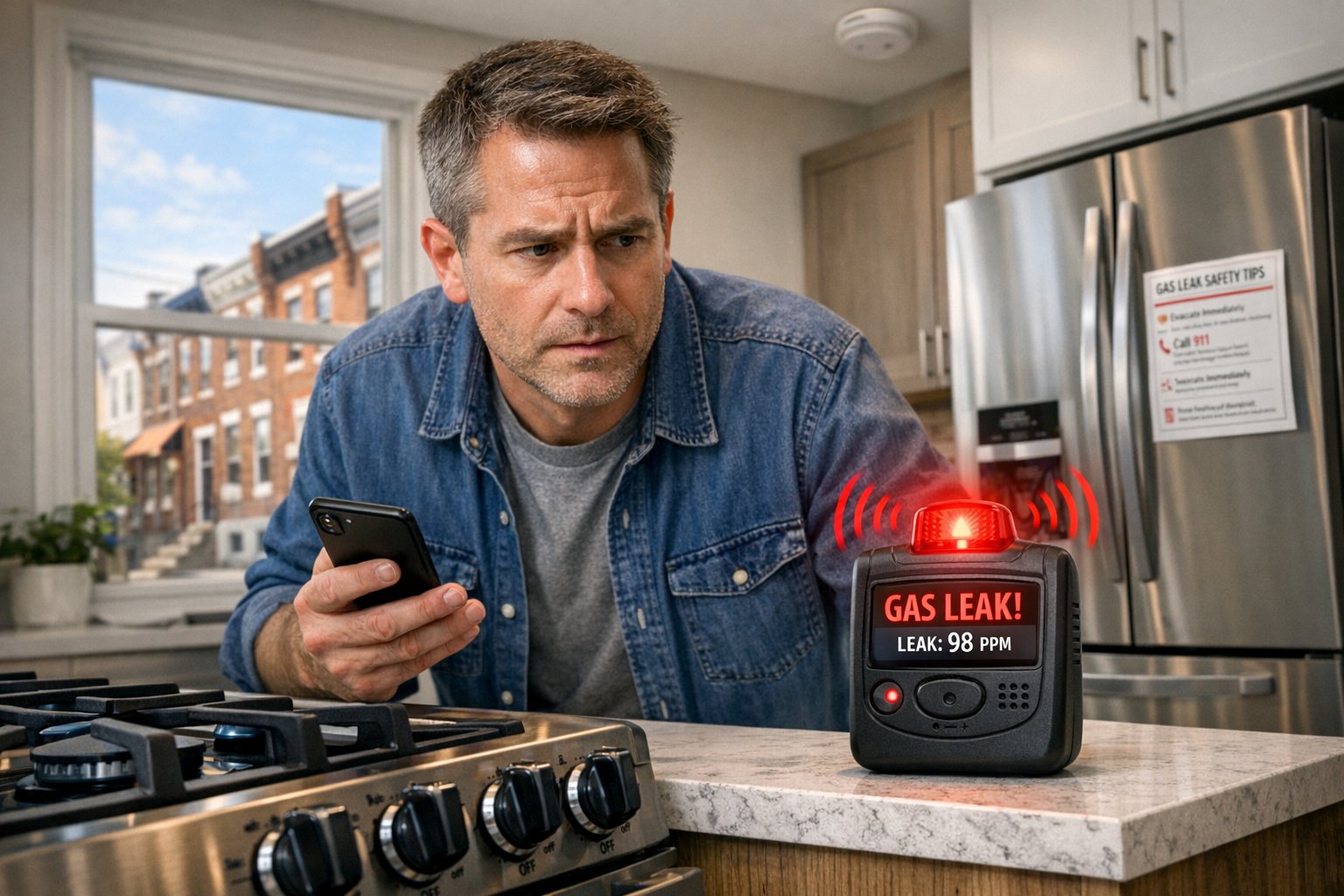
If you smell rotten eggs, hear hissing, or spot dying plants by gas pipes, get everyone—including pets—outside now. Don’t mess with doors or windows; just leave them as they are.
If you know where the shutoff valves are and can reach them safely, turn them off. But don’t risk it if you’re not sure.
Put at least 100 feet between you and the house, or go to a neighbor’s upwind. Avoid basements and garages—gas can settle in low spots.
Once you’re safe, reach out to everyone in the family to make sure they’re out, too. Stay put until the utility or emergency crews give you the all-clear.
Actions to Avoid During a Gas Leak
Don’t do anything that could spark. That means no light switches, phones, doorbells, or starting cars in attached garages.
Keep all gas and electric stuff off—ranges, ovens, heaters, fans, all of it. Don’t touch the breaker box or try to fix anything yourself.
Stay out of the house until the professionals say it’s safe. If you know where the main shutoff valve is and can get to it without going back inside, you can close it. Otherwise, leave it to the experts.
Contacting Emergency Responders
Call 911 as soon as you’re a safe distance away and let them know you suspect a gas leak. Give your address, mention if anyone’s hurt or still inside, and stick to the facts.
After that, call PGW’s 24/7 emergency line at (215) 235-1212. If you’re outside Philly, use your local utility’s emergency number.
Stay nearby if dispatchers ask, but don’t go back inside for any reason. Follow whatever instructions you get from emergency crews.
How to Safely Shut Off the Gas Supply
Finding Your Main Gas Shutoff Valve
First, find your gas meter. It’s usually outside, in the basement, or in a utility closet.
The main shutoff valve sits on the pipe coming off the meter or just before the line enters your house. Keep a wrench or shutoff tool close by—don’t stash it somewhere you’ll forget.
Take a look at the valve when everything’s normal so you know what “open” looks like. It’ll help in a real emergency.
If you rent, ask your landlord where the shutoff is and if you need a special tool. If you can’t find the valve within a minute, just get out and call for help.
Correct Procedure for Gas Shutoff
Before you even think about touching the valve, make sure you’re not carrying a lighter or anything that could spark.
Steps to shut off the gas:
- Put your wrench on the valve stem
- Turn it a quarter turn (90 degrees)
- The stem should be perpendicular to the pipe when it’s off
- Don’t force it if it’s stuck or rusty
Once it’s off, don’t try turning things back on or messing with appliances. Just leave and let the place air out after you’re clear.
Call emergency services and your gas company right away after shutting off the valve. Only licensed pros should turn the gas back on.
Situations Requiring Professional Response
If you smell a strong gas odor, feel dizzy, see flames, or hear loud hissing, get out—don’t even think about tackling it yourself.
Inside, don’t:
- Touch the breaker box
- Flip any switches
- Use your phone or other electronics
Any spark could set off an explosion.
If the meter or valve is corroded, underground, or needs special tools, wait for the utility or fire department. If emergency crews give you instructions, follow them exactly.
Reaching Qualified Professionals in Philadelphia
Selecting a Licensed Gas Specialist
Look for Best Plumber Near Me with up-to-date Pennsylvania licenses for gas work. Ask for their license number, proof of insurance, and recent Philly customer references.
Make sure they know PGW’s rules for meter access and service shutoff. Pros who work with PGW regularly will know the ropes.
Check for:
- Active PA plumbing or HVAC license
- Liability and worker’s comp insurance
- Experience with PGW systems
- 24/7 emergency service
For non-emergencies, get written estimates from at least two contractors. Compare warranties and ask if city permits are needed. Good contractors will handle inspections and paperwork.
Understanding the Assessment Process
Your tech will sniff out odor sources and use pressure testing and electronic leak detectors around appliances, pipes, and the meter.
They’ll check pilot lights, vents, flexible hoses, and outside lines. Sometimes, appliances need to be shut off for testing.
If they find a leak, you might get a temporary fix or have service cut off until repairs are finished and PGW gives the green light. Ask for a written report with the important details:
| Report Element | Details |
|---|---|
| Leak location | Exact component or connection point |
| Root cause | Material failure, corrosion, or installation issue |
| Repairs completed | Parts replaced and methods used |
| Follow-up needs | Additional work or monitoring recommended |
Keep these reports for your records and future calls.

Steps to Prevent Future Gas Leaks
Regular System Inspections
Book a yearly inspection with a licensed plumber or HVAC tech to give your gas lines a once-over. They’ll check joints, regulators, and vents.
Do your own monthly walk-around to look for rust, corrosion, or loose fittings. It’s a quick habit that pays off.
Immediate warning signs:
- Rotten egg smell
- Hissing near gas lines
- Dead plants by outdoor pipes
If you catch any of these, leave and call for help.
Keep burners and pilot lights in good shape. Yellow flames mean something’s off—get a pro to look at it. Replace flexible connectors every 5 to 7 years or sooner if they look worn.
| Maintenance Task | Frequency |
|---|---|
| Professional inspection | Annually |
| Visual line check | Monthly |
| Connector replacement | Every 5–7 years |
Jot down service dates and set reminders for the next check.
Modern Appliance Replacement
Old furnaces, water heaters, stoves, and dryers (15–20+ years) just aren’t as safe as newer models. Don’t wait for them to fail.
Go for units with sealed combustion or direct venting—they’re safer and more efficient. Always get certified techs for installation and pressure testing.
Ask for a labeled manual shutoff valve by each appliance. Keep all your paperwork—model numbers, serials, warranties, receipts—in one spot.
If you’re remodeling, let the pros handle gas line design and connections. It’s not a DIY job.
Gas Detection Equipment
Install at least one UL-listed natural gas detector on every floor, especially near bedrooms. Mount them 6–12 inches above the floor (check the instructions).
Test detectors every month and swap batteries once a year. Replace the whole unit every 5–7 years.
Pair gas detectors with carbon monoxide detectors for full coverage. Dual units can save you space and hassle.
Detector checklist:
- Test monthly
- Change batteries annually
- Replace unit every 5–7 years
- Link to home alarm if possible
If you’re into smart home stuff, connect detectors for remote alerts. Keep spares on hand and log installation dates somewhere you’ll remember.
Managing Insurance and Restoration
Recording the Event
Snap clear photos and videos of appliances, the meter, damaged spots, and any weird stains or warping. Your phone’s timestamp is handy for this.
Jot down when you first noticed the problem, how strong the smell was, and what you did (like shutting off the valve or leaving). Save receipts for hotels, repairs, or anything else you had to pay for.
Write down the names and badge numbers of utility workers and responders who show up. Store all this in a digital folder with the date—you’ll thank yourself later.
Submitting Your Claim
Call your insurance agent or carrier as soon as you can. Many policies require quick notification.
Give them the incident date, PGW reference number (if you called them), and a summary of damages and expenses. Fill out all the forms they ask for and attach your photos and receipts.
An adjuster will probably come by to check things out. Show them any repairs you made and hand over receipts. Keep your claim number and adjuster’s info for follow-ups.
Key claim details to track:
- Claim reference number
- Adjuster name and phone
- Date of inspection
- Approved repair budget
📖 Want to go deeper? Check out Precision Service Experience — a practical homeowner’s guide by Derrick Jackson, available on Amazon.
Arranging Work with Area Contractors
Choose licensed plumbers who specialize in gas systems and actually hold Philadelphia permits. If your problem involves gas lines or meters, it’s smart—maybe even required—to contact PGW first for guidance or any needed authorization before repairs start.
Never try to relight pilots or mess with gas lines yourself. It’s just not worth the risk. Ask for at least two written quotes, and make sure they spell out the scope, parts, labor, permit fees, and expected finish dates.
Always check each contractor’s license status and insurance. Ask for references, and don’t skip reading recent reviews from local folks. For roof, structural, or electrical work, confirm your contractor will file the right permits with the Department of Licenses & Inspections and handle those city inspections.
| Contractor requirement | Why it matters |
|---|---|
| Active license | Legal compliance and accountability |
| Insurance coverage | Protection from liability |
| Written estimates | Clear cost expectations |
| Permit coordination | Passes city inspections |

Local Assistance and Safety Networks
Philadelphia residents have access to several government and nonprofit programs for gas emergencies. The Basic Systems Repair Program covers no-cost repairs for heating, electrical, or other critical systems if you qualify as an owner-occupant.
The Division of Housing and Community Development coordinates urgent repairs through special service lines.
Immediate steps to take:
- Notify your utility provider as soon as you smell gas or hear hissing
- Dial 311 for housing referrals or emergency support
- Reach out to nonprofit repair groups for inspections and remediation
Organizations like Rebuilding Together Philadelphia offer health and safety upgrades to income-eligible households. They often handle energy-efficiency improvements along with emergency fixes. Always double-check coverage areas and income requirements before you schedule anything.
Financial relief options include LIHEAP grants for heating bills and city utility emergency funds to help prevent shutoffs during repairs. Keep every bit of paperwork—correspondence, contractor quotes, utility notices. This stuff backs up your aid applications and helps you track what’s happening.
If things feel hazardous, just get out. Exit your home and make emergency calls from a neighbor’s place or the street. Your safety really does come first.
Common Questions About Gas Leaks
How can you identify a natural gas leak in your home?
The main giveaway is that weird sulfur or rotten egg smell. Natural gas companies add it so residents can catch leaks early.
Sometimes you’ll hear a hissing sound from pipes or lines. Discolored grass or dead spots in your yard near underground lines can also mean trouble.
Which emergency services handle gas leaks in Philadelphia?
Call Philadelphia Gas Works at (215) 235-1212, or just dial 911. Make the call from outside—don’t risk it indoors near the leak.
Can you safely operate your phone indoors during a suspected leak?
Nope. Don’t use your phone, flip light switches, or touch any electrical equipment inside if you smell gas. Even a tiny spark could set things off.
Leave immediately. Don’t touch anything that could create a spark.
Are DIY repairs acceptable for gas line issues?
Don’t do it. Gas leaks are for licensed plumbers or utility techs only. DIY repairs are dangerous and almost always against local codes.
Professionals have the right tools and training to handle gas system problems safely.
What is the recommended inspection schedule for gas equipment?
Get annual inspections by licensed pros for all gas lines and appliances. Regular maintenance spots problems before they get serious and ensures proper ventilation.
📖 Want to go deeper? Check out Precision Service Experience — a practical homeowner’s guide by Derrick Jackson, available on Amazon.
About the Author
Derrick Jackson is a home services expert with more than 25 years in the field. His businesses, Precision Plus Plumbing and Advantage Mold, have earned a reputation for outstanding service and for helping busy homeowners across PA, NJ, and Delaware.
He knows plumbing, heating, sewage cleanup, mold remediation, water damage restoration, and specialized cleaning inside and out. Derrick genuinely enjoys saving clients time and hassle, and he’s a huge advocate for ongoing training—something a lot of business owners, honestly, just ignore.
📚 Books: Precision Service Experience (2013) | Got Mold? (2025)
🌐 Learn more: DerrickCJackson.com
Do carbon monoxide alarms detect natural gas?
Standard carbon monoxide detectors can’t pick up natural gas (methane) leaks. For that, you’ll need a dedicated combustible gas detector—one that’s actually built to spot methane or propane in your home.