
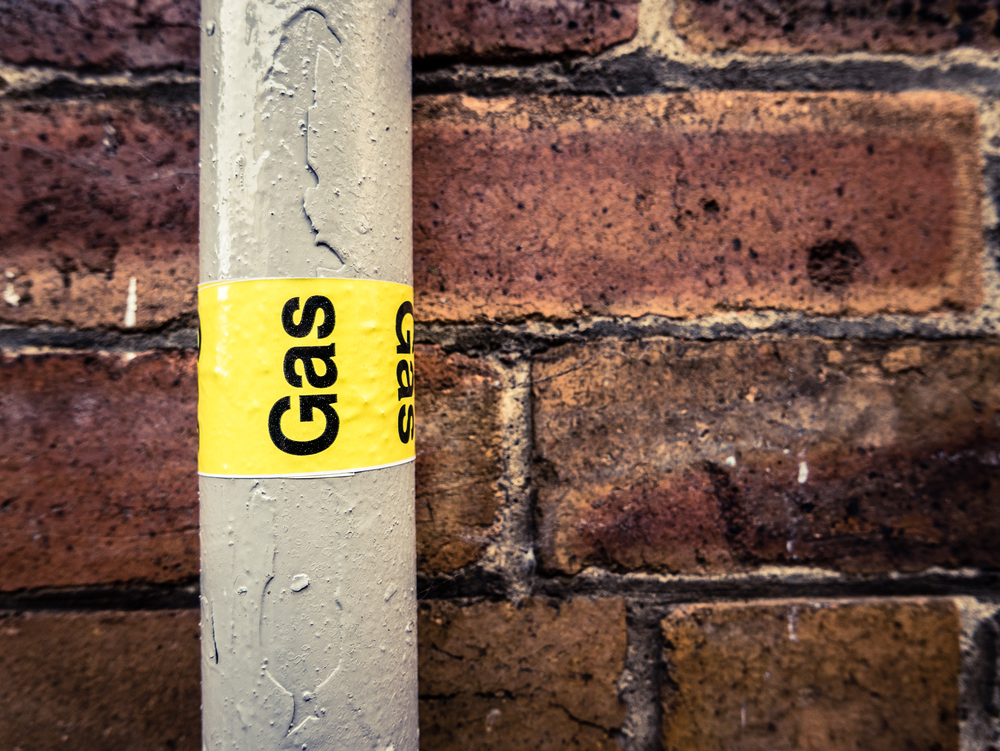
Gas leaks are a serious safety threat in Philadelphia homes, but honestly, a lot of us miss the early signs until things get dicey. The biggest gas leak symptoms? That unmistakable rotten egg or sulfur smell, hissing sounds near gas lines or appliances, and physical symptoms like dizziness, nausea, or headaches.
Natural gas itself is basically invisible and has no smell, so utility companies add that weird odor to help you notice leaks. Still, relying on your nose alone isn’t always enough.
Your house and your body can both throw up red flags, from dead plants around gas lines to a weirdly high gas bill for no clear reason.
Let’s break down what to watch for when it comes to physical symptoms, environmental clues, and household warning signs of gas leaks in Philly homes. You’ll see where leaks usually pop up, how to spot them safely, and what to do if you think there’s a problem.
📖 Want to go deeper? Check out Precision Service Experience a practical homeowner’s guide by Derrick Jackson, available on Amazon.
Recognizing the Most Critical Gas Leak Symptoms
Gas leaks can get dangerous fast, so catching warning signs early is a big deal. Natural gas and propane leaks show up in a bunch of ways, physical symptoms, weird smells, odd sounds, or even appliances acting up.
Physical Symptoms of Gas Exposure
If you’re around leaking gas, your body usually reacts. Dizziness and lightheadedness are often the first things you’ll feel, since gas pushes out the oxygen in the air.
Nausea can tag along, and if you’re exposed long enough, you might even throw up. Headaches, fatigue, trouble focusing, those are all possible too.
Your breathing might get weird, or you could feel chest tightness. In really bad cases, confusion, stumbling, or even passing out can happen.
Kids and pets, by the way, usually show symptoms before adults because of their size and how fast they breathe. If everyone in the house feels off and then gets better outside, that’s a huge red flag.
Unusual Smells in the Home
Natural gas on its own doesn’t have a smell, so companies add mercaptan—a chemical that reeks of rotten eggs or sulfur. That’s your main warning system.
Propane smells a bit different still unpleasant, but some people notice a faint sweetness. If you catch any odd smell, don’t brush it off, even if you’re not sure it’s gas.
Sometimes, you might stop noticing the smell (it’s a thing called olfactory fatigue). If a friend or neighbor mentions it, take them seriously. Don’t just assume it’s from something else in the house.
Hissing or Whistling Sounds
Hear a hissing near gas lines, meters, or appliances? That’s gas escaping under pressure. Sometimes it’s subtle, other times it’s loud—depends on how big the leak is.
Whistling usually means gas is getting out through tiny cracks or openings. Listen around your water heater, furnace, stove, or dryer—especially when they’re running.
Outside, if you hear hissing by the gas meter or main line, that’s a big deal. Sounds might get louder when appliances are on, so pay attention.
Malfunctioning Gas Appliances
Your gas appliances should have a steady blue flame. If you see yellow, orange, or red flames, that’s a sign of incomplete combustion—could be a leak or just bad ventilation.
Appliances might also start spitting out soot, making too much condensation, or just not heating like they used to. If pilot lights keep going out or burners won’t ignite, something’s up.
Look for rust, corrosion, or loose parts on your appliances. Inconsistent flames or trouble lighting the stove? Don’t just shrug it off. If you’re not sure, it’s worth calling a pro Best Plumber Near Me is a solid place to start in Philly.

Environmental and Household Warning Signs
Sometimes, gas leaks show up in your environment or on your utility bill before you ever smell anything or feel sick. Dead plants around gas lines, bubbles in puddles, or a sudden spike in your gas bill? All reasons to pay attention.
Dead or Dying Houseplants
Plants near gas appliances or meters can suddenly start to wilt or drop leaves if there’s a leak. The escaping gas pushes out oxygen, so roots can’t breathe, and the plants die off for no clear reason.
If only the plants near your furnace, water heater, or stove are struggling, that’s suspicious. Gas itself isn’t super toxic to plants, but the lack of oxygen and soil changes really mess with them.
Take note of which plants are affected and how close they are to gas lines or appliances if you need to call for help.
Bubbles or Condensation Near Gas Lines
See bubbles in standing water near outdoor gas lines or weird condensation around indoor fittings? That’s gas making its way through water or creating moisture where it shouldn’t.
Bubbles usually pop up after rain, especially by your gas meter. Condensation that sticks around even when it’s dry out can also be a clue.
If you spot bubbles or wet spots, leave the area alone and call the pros. Don’t try testing for leaks yourself with soapy water—let someone with the right tools handle it.
Unusual Increases in Gas Bills
If your gas bill suddenly jumps and you haven’t changed your usage, you might have a leak. Compare your current bill to last year’s for the same month to see if it’s just the weather or something else.
Leaks can come from old pipes, bad connections, or even your meter. You’re basically paying for gas that’s just disappearing.
If the numbers don’t add up, ask your utility for a meter check and get a pro to inspect for leaks. Even small leaks can waste a lot of money and create big risks.
Causes and Sources of Gas Leaks in Philadelphia Homes
Most gas leaks in Philly come from old pipes, bad installation, or appliance failures. Knowing where leaks usually start helps you stay ahead of the problem.
Aging or Damaged Gas Lines
Philly’s gas system is old—some pipes have been around for decades. A recent survey found 383 leaks along just 1,533 miles of roads in the city, which is honestly kind of wild.
Your home’s gas lines can rust, crack, or shift from things like frozen ground or tree roots. Cast iron and bare steel pipes, especially in older neighborhoods, are extra vulnerable.
Construction nearby, bad weather, or shifting soil can speed up the damage. If your house was built before 1970, it’s even more important to get your lines checked regularly.
Improper Installation and Repairs
Bad installation or sloppy repairs are a recipe for leaks. If connections aren’t sealed right, pipes are the wrong size, or cheap materials are used, your system’s at risk.
Unlicensed contractors might not follow Philly’s codes or safety standards. DIY repairs are a big no-go—one small mistake can cause a leak.
Gas appliances need proper venting and connections, too. Always hire a licensed pro for repairs or installations. It’s not worth the risk.
Appliance Malfunctions
Broken or worn-out appliances are another common cause. Water heaters, furnaces, stoves, and dryers all have parts that can wear down and start leaking gas.
Seals break, heat exchangers crack, and fittings loosen over time. Even stoves can leak from worn valves, and propane appliances have their own risks with hoses and regulators.
If you skip maintenance, things break down faster. Get your gas appliances checked once a year—or as often as the manufacturer suggests. Make sure there’s good airflow around them, too.
How to Detect a Gas Leak Safely
Finding a gas leak isn’t just about sniffing the air. There are a few ways to check—electronic detectors, your own senses, and knowing where your shut-off valve is in case things get urgent.
Using Gas Leak Detectors
Gas leak detectors are electronic gadgets that sense natural gas in the air. Some plug into the wall and monitor all the time, others are portable and good for spot-checking.
Stick detectors near appliances like your furnace or stove, close to the floor since gas can settle low. Newer models have digital screens and loud alarms if levels get too high.
Test your detector every month and swap batteries yearly if it uses them. Replace the whole thing every 5–7 years, or whatever the instructions say. If you want to get fancy, pro-grade detectors can catch smaller leaks.
Visual and Sensory Checks
Your nose is still a solid tool—if you smell rotten eggs or sulfur, treat it like an emergency. Listen for any hissing or whistling near gas lines or appliances, too.
Look for obvious stuff like damaged pipes, loose fittings, or corrosion. If you or your family start feeling dizzy, nauseous, or tired, don’t ignore it. Even dying houseplants can be a clue.
Some folks do the dish soap test—mix soap and water, dab it on connections, and watch for bubbles. It works, but honestly, it’s better to call a pro if you’re worried.
Locating the Gas Shut-Off Valve
Your main gas shut-off valve is usually where the gas line enters your house—most Philly homes have it near the meter outside or in the basement. The handle’s a rectangular tab that lines up with the pipe when open.
Know how to turn it off: use a wrench to twist the tab 90 degrees until it’s perpendicular to the pipe. Keep a wrench nearby, just in case. Only turn it off if you smell gas, hear hissing, or if emergency responders tell you to.
Once it’s off, don’t turn it back on yourself—let a licensed pro handle it. Appliances have their own shut-offs too, so you can isolate just one if needed.
Immediate Actions If You Suspect a Gas Leak
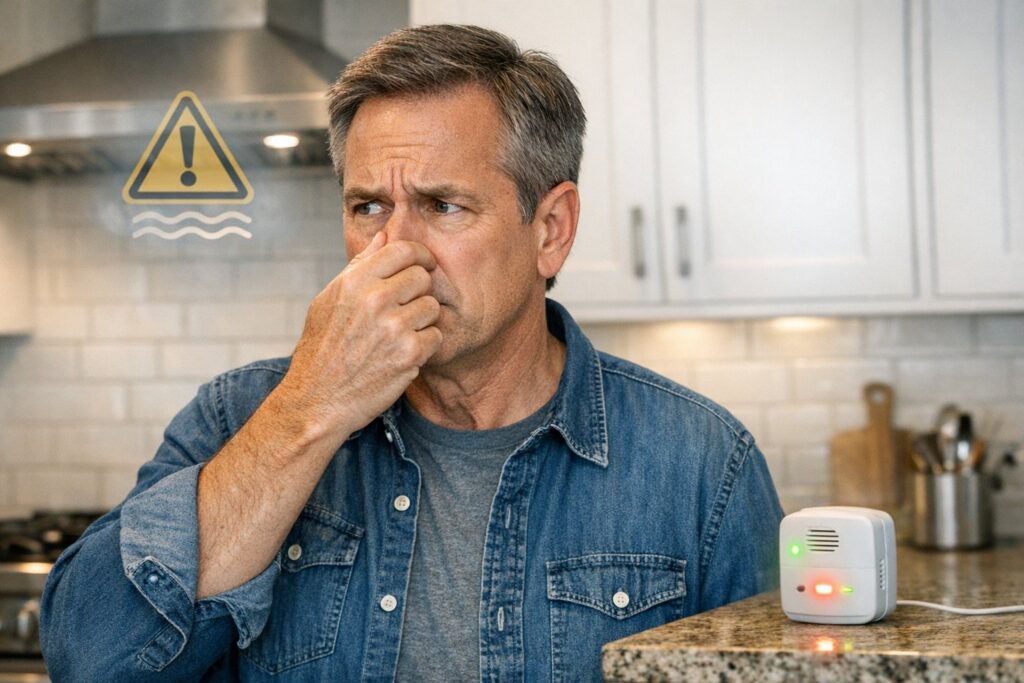
If you think there’s a gas leak at your place, the first thing is to get everyone out and call for help. Don’t mess around—those first few moments matter a lot.
If you think there’s a gas leak in your Philly home, don’t mess around. Get everyone out, call emergency services, and let the pros take over. Those first few minutes matter way more than you think.
For expert help, check out Best Plumber Near Me — they know Philly’s quirks. And if you want to get nerdy about plumbing or learn more, the Precision Service Experience on Amazon is a surprisingly good read from people who’ve seen it all.
Evacuating the Premises
Leave your home immediately. Don’t stop to grab belongings or poke around trying to find the leak.
Don’t flip any lights on or off—seriously, even that tiny spark could set off a gas explosion. It’s not worth the gamble.
Avoid using your cell phone, landline, or any electronics while you’re still inside. Even a little static spark from a device could trigger disaster in a gas-filled room.
Don’t try to hunt down the leak or mess with gas valves yourself. Just leave windows and doors as they are and get out.
If things are already on fire, don’t play hero—never try to put out gas-fueled flames yourself.
Move well away from the building—350 feet is the official guideline, but honestly, farther is better if you can manage it. Once you’re clear, make sure everyone’s accounted for: people, pets, whoever was in the house.
Don’t go back inside for any reason until the pros say it’s safe. Not even for your wallet or your favorite mug.
When and How to Call for Help
Once you’re safely away, call 911 right away—use your cell or a neighbor’s phone if you have to. Gas leaks are emergencies, period.
Tell the dispatcher you suspect a gas leak and give your address. If you heard hissing or saw something weird with the gas line, mention that too.
Emergency crews will coordinate with the utility company and the fire department. They’ll handle it from there.
Contacting Your Utility Company
After 911, call Philadelphia Gas Works (PGW) at 215-235-1212—their emergency line is open 24/7. This is the number to remember for any gas emergency in Philly.
PGW sends professionals to find and fix leaks. Only their crew or qualified reps can say when it’s safe to go back inside. Save that emergency number in your phone now—it’s a must if you live in Philly. If you’re ever unsure, reaching out to a local expert is always smart: Best Plumber Near Me – Philadelphia.
Protecting Your Home and Preventing Future Gas Leaks
Staying safe with natural gas isn’t rocket science, but it does take a little effort. Regular maintenance, decent equipment, and just being a bit more aware at home go a long way.
These steps cut down your risk of leaks and keep your gas systems running smoothly all year.
Scheduling Regular Inspections
Get a professional inspection for all your gas-powered stuff at least once a year. Licensed techs will check lines, connections, and appliances for any signs of trouble—wear, corrosion, you name it. They’ll also test for proper ventilation, check pilot lights, and make sure everything’s up to code.
Lots of gas companies offer free or discounted inspections, so don’t skip out—especially if your home’s older or you’ve noticed anything weird. Pros have leak detection gear that finds problems you’d never spot.
If your appliances are pushing 10-15 years, consider getting them checked more often. Old equipment gets leaky with age, and sometimes it’s smarter to replace than to keep fixing. (For a deeper dive on expert service, see Precision Service Experience on Amazon.
Upgrading to Modern Gas Appliances
Newer gas appliances are just safer, full stop. Better shut-off valves, improved vents, tighter seals—they’re designed to minimize leaks.
Plus, they’re more energy efficient, so you might save a few bucks on utilities. If your Philly home was built before 1990, you might still have original appliances that are way past their prime.
Outdated equipment is riskier—seals go bad, fittings corrode, and the whole thing gets sketchier with age. If you see yellow or orange flames instead of blue, that’s a red flag for incomplete combustion and maybe even carbon monoxide.
When you do upgrade, hire a licensed pro who knows Philly’s building codes. A botched install can be as dangerous as a broken appliance.
Educating Your Household on Gas Safety
Everyone in your home should know what natural gas smells like—it’s that sulfur or rotten egg odor. Set aside some time to talk through what to do if anyone smells it or hears hissing near gas lines.
Stress that nobody should flip switches or use phones indoors if there’s a gas smell. Even a tiny spark can set things off.
Install carbon monoxide detectors, sure, but also get dedicated natural gas detectors. CO alarms won’t catch a gas leak—different devices, different jobs.
Put gas detectors near the ceiling (since gas rises) and make sure everyone knows what the alarms sound like. Write out an emergency plan with your gas company’s number and the shut-off valve location.
Practice evacuation routes with everyone, even the kids. It’s not overkill—it’s just smart.

Frequently Asked Questions
Gas leaks are scary, and a lot of Philly homeowners have questions about how to spot them, what they do to your health, and what you’re actually supposed to do. Here’s what you should know—it’s worth reading even if you think you’ve got it handled.
What are the immediate signs of a gas leak in a residential property?
The big giveaway is the strong rotten egg or sulfur smell—mercaptan is added to natural gas on purpose so you’ll notice it right away, even if just a little leaks out.
Other signs? Look for dirt blowing near gas lines, bubbling in puddles or standing water, or weird patches of dead grass where underground pipes run. Sometimes you’ll see a white cloud or fog near pipes.
A hissing or whistling sound near appliances, meters, or pipes is a major warning sign. That’s gas escaping under pressure—don’t ignore it.
Can physical symptoms indicate the presence of a gas leak in my house?
Yeah, and it can sneak up on you. Headaches, dizziness, and nausea are early signs—especially if more than one person feels it at once.
Some people get tired, short of breath, or have irritated eyes and throats. Confusion and lightheadedness aren’t uncommon either.
Watch your pets, too—they’ll sometimes act weird or get lethargic before people notice anything. If everyone feels better once you’re outside, that’s a clue you might have a leak.
How can I detect a gas leak if there is no smell?
Not everyone can smell gas—age, health, or even just genetics can dull your senses. That’s why natural gas detectors are worth having; they’ll sound an alarm if there’s a leak, regardless of your nose.
Still, keep an eye out for the visual and audible clues: hissing, blowing dirt, dead grass, or bubbles in water. Check your appliances monthly—yellow or orange flames instead of blue aren’t normal.
If your gas bill suddenly jumps for no reason, that could mean a leak too. For peace of mind, put gas detectors near bedrooms and on every floor.
What should a homeowner do if they suspect a gas leak?
Drop everything and get out—don’t stop for stuff. Get everyone (and pets) outside, and leave doors open behind you if you can.
Don’t create sparks: skip the light switches, don’t use phones inside, don’t start cars in garages. Even tiny sparks can ignite gas.
Once you’re at least 350 feet away, call the PGW emergency line at (215) 235-1212. Call 911 as well—better safe than sorry.
Wait for the pros to show up and give the all-clear. Never go back inside until they say it’s safe.
Are there long-term health effects from exposure to a gas leak in a home?
Long-term exposure can mess with your health—especially your lungs. You might end up with chronic breathing issues if it goes on too long.
There’s also extra stress on your heart from not getting enough oxygen. Some people develop memory problems, trouble focusing, or mood swings after a bad exposure.
Kids, older adults, and anyone with heart or lung conditions are at the most risk. How bad it gets depends on how long and how much gas you’re exposed to.
For more on expert plumbing safety and service, check out Precision Service Experience on Amazon. And if you’re in Philadelphia and need a trusted pro, see Best Plumber Near Me – Philadelphia.
How do carbon monoxide detectors help in identifying gas leaks?
Carbon monoxide detectors and natural gas detectors aren’t interchangeable—they’re designed for different jobs. Carbon monoxide comes from incomplete combustion in fuel-burning appliances, while natural gas is the fuel itself, not the byproduct.
Natural gas leaks can set the stage for explosions or fires. Carbon monoxide exposure, on the other hand, is all about poisoning—scary stuff, honestly.
Sometimes, a faulty gas appliance will churn out carbon monoxide, even if there’s no actual gas leak. That’s why you can’t just rely on one type of detector and call it a day.
Best practice? Install both kinds—carbon monoxide detectors should go on every floor and just outside bedrooms. For natural gas detectors, follow the manufacturer’s advice, but usually, you’ll want them near appliances and sleeping areas.
📖 Want to go deeper? Check out Precision Service Experience — a practical homeowner’s guide by Derrick Jackson, available on Amazon.
About the Author
Derrick Jackson is a Home services expert with over 25 years of experience. His business Precision Plus Plumbing and Advantage Mold have been recognized for outstanding service and taking care of busy homeowners between PA, NJ, & Delaware. Areas of expertise are plumbing, heating, sewage cleanup, mold remediation, water damage restoration and specialized cleaning. He takes tremendous pride in saving clients time and frustration, also huge advocate for ongoing continuous training which is something most business owners ignore.
📚 Books: Precision Service Experience (2013) | Got Mold? (2025)
🌐 Learn more: DerrickCJackson.com