
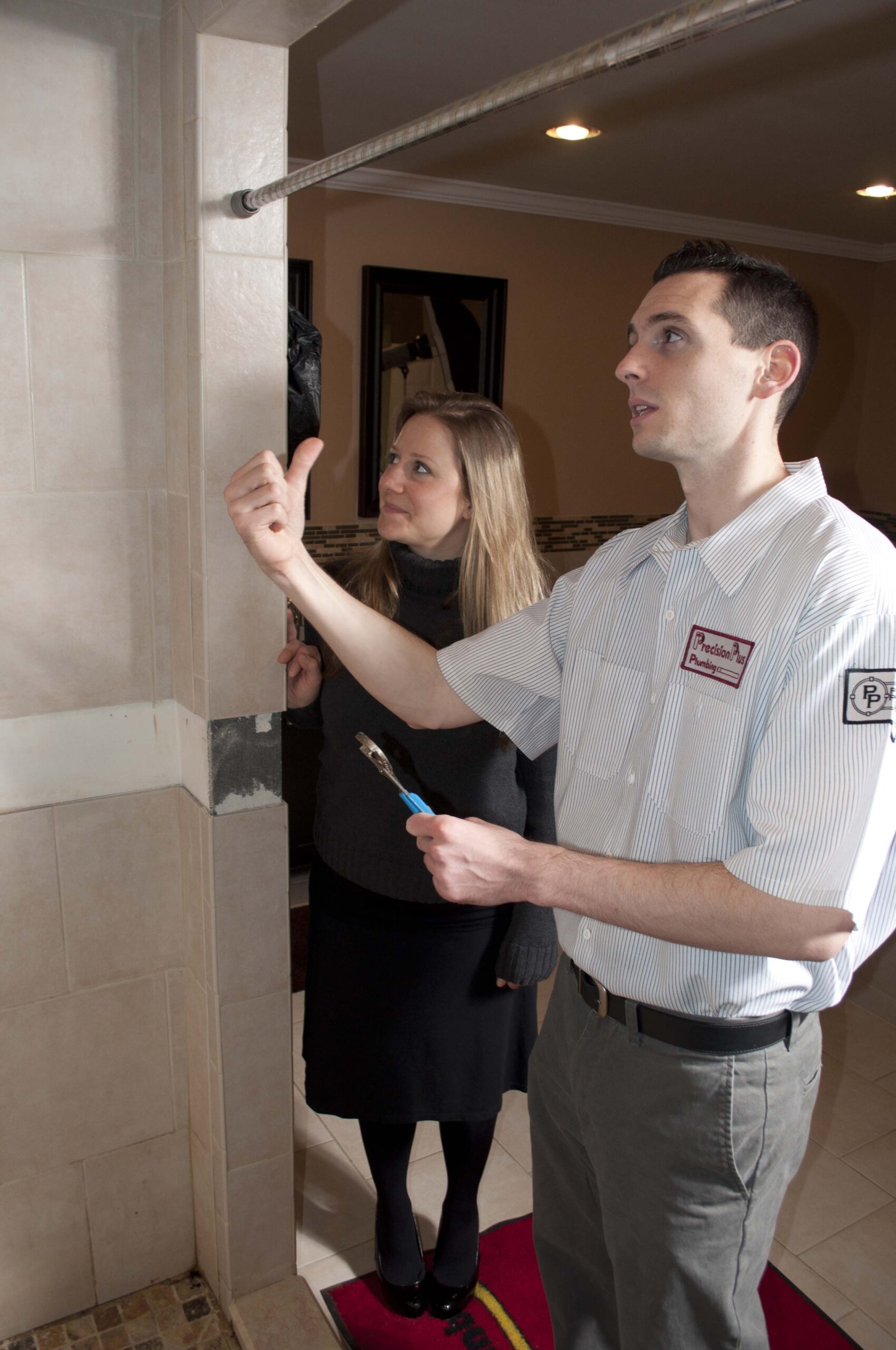
When you’re dealing with plumbing problems in Philadelphia, you want someone who’ll actually show up fast and fix it right the first time. Whether it’s a burst pipe or a water heater that’s just quit on you, local plumbers here handle everything—residential plumbing, commercial needs, and those “oh no” emergencies.
Finding experienced Philadelphia plumbers can make all the difference when a small leak turns into a major flood.
If you want reliable Philadelphia plumbing, stick with licensed companies that lay out emergency response and pricing upfront.
This isn’t just a list of services. We’ll walk through what local plumbers actually do, how to pick the right team for your place, and when it’s time to call for emergency backup.
You’ll get the lowdown on drain cleaning, fixture installs, pipe replacement, sewer video inspection, and even some outdoor plumbing quirks. Not sure what service you need? We’ll help you sort that out too—because nobody wants to play guessing games when water’s involved.
Overview of Plumbing Services in Philadelphia
Homeowners and landlords in Philly count on residential plumbing, emergency response, routine maintenance, and new installs to keep water, gas, and sewer systems running right. Services range from 24/7 leak rescue to new plumbing installation and fixture upgrades that meet local code.
Reliable plumbers in Philadelphia offer a wide range of solutions, ensuring that every pipe and fixture meets city standards.
Typical Plumbing Issues in Philadelphia
Plumbers here see a lot of leaking copper or galvanized pipes, especially in those classic rowhomes. Clogged cast-iron sewer lines are another local headache.
Keeping historic properties healthy means jumping on pipe repair before water damage creeps in. Hard water scale in fixtures and heaters can speed up wear—so descaling or tank service is a must more often than you’d think.
Sewer backups and sluggish drains? Usually, it’s tree roots or old clay and cast-iron mains acting up. Local plumbers bring out the camera scopes and hydrojetters to clear things out—no endless digging required.
And don’t mess around with gas line repairs or appliance hookups. Smell gas? Shut off the appliance, air things out, and call a licensed pro for pressure testing and certified repairs.
Importance of Professional Plumbing
Working with a professional plumber in Philadelphia isn’t just about convenience—it protects you from code violations and those “I’ll just fix it myself” disasters. A professional plumber brings specialized tools and years of training to every job site, from simple repairs to complex overhauls. These folks know the ins and outs of city water department rules and permits.
That local know-how means your place stays up to code and safe. Licensed plumbers are insured and use certified materials, so you’re less likely to deal with leaks or gas hazards down the road.
They’ll also provide warranties and detailed invoices—handy for insurance claims or if you ever decide to sell.
If you’re dealing with a plumbing emergency, a plumber who promises quick response is clutch. Water waits for no one, and delays just mean more damage (and more cost).
Qualities of a Reliable Philadelphia Plumber
Look for plumbers in Philadelphia who are licensed, insured, and have real experience with the city’s unique plumbing systems. It’s worth prioritizing those with deep community roots and a solid track record.
Master credentials and reviews mentioning quick responses are a good sign. Transparent pricing and written estimates help you dodge surprise bills.
A good plumber will break down options—like trenchless sewer repair vs. digging—and spell out what’s covered under warranty. Communication matters too. You want someone who returns calls, shows up when they say, handles permits, and doesn’t leave your place looking like a construction zone.
If you’re unsure, ask for local references—it’s not weird, it’s smart.
For more tips on hiring trustworthy contractors, check out our guide to home repair services in Philadelphia.
Residential Plumbing Services
From everyday fixtures to pipes and water lines, high-quality residential plumbing keeps your home humming along. Services run the gamut—from quick drain clearing to full water line replacement.
Techs will diagnose the problem and recommend repairs that won’t break the bank.
Whether you need routine maintenance or a total overhaul, hiring skilled Philadelphia plumbers ensures your home’s systems remain functional and safe.
Common Household Plumbing Problems
Clogged drains, running toilets, low water pressure, and slow hot water recovery are the usual suspects in residential plumbing. Kitchen sinks get gummed up with grease and food, while bathroom drains collect hair and soap gunk.
In Philly’s older homes, you might find corroded pipes, lead joints, or roots in sewer lines. Bathroom plumbing takes a beating—showers, toilets, vanities all see daily use and can start acting up.
These issues can slow things down and boost your risk of leaks. Fixing stubborn problems usually means a combo of snaking, hydro-jetting, and targeted repairs.
If someone suggests major work, ask about a camera inspection first. It’s worth knowing what you’re dealing with before you green-light a big job.
Leak Repair and Detection
If your water bill spikes for no reason, you spot damp patches, or hear water running when nothing’s on, it’s time for expert leak detection services. Plumbers use acoustic sensors, infrared cameras, and pressure tests to find hidden leaks in walls, slabs, or water lines.
Small leaks often get patched or coupled. Skilled repairs now can save you from major headaches later.
For slab leaks or bigger breaks, full water line replacement may be the smart move to prevent repeat trouble. Always ask for a written estimate that separates detection, repair labor, and parts.
Make sure they’ll test the fix under pressure and clarify what’s covered by warranty.
Installation and Replacement Services
Licensed plumbers handle it all—from fixture installation to water heater swaps and whole-house repiping. Installs cover sinks, faucets, toilets, showers, dishwashers, and both tank and tankless heaters—with an eye on code-compliant shutoffs and venting.
When pipes are beyond saving or made from outdated materials, full replacement or repiping with copper, PEX, or PVC may be on the table. Water line work often means some digging—ask how they’ll minimize mess and restore your yard.
Make sure your contractor pulls permits for big installs, lays out product choices and warranties, and gives you a timeline. It’s not just about getting things working—it’s about keeping future repairs at bay.
Commercial Plumbing Services
Commercial plumbing in Philly is its own beast—think large-scale systems, maintenance plans, and strict code compliance. Services include fixture installs, water heater work, and backflow prevention, with regular inspections tailored to your property’s needs.
Expert plumbers in Philadelphia are equipped to handle the high demands of commercial properties, from office buildings to retail centers.
Business Plumbing Solutions
Downtime isn’t an option for most businesses, so plumbing needs to be up to code and reliable. Installing plumbing in commercial kitchens or high-rises takes a different skill set than your average home job.
Routine maintenance might include leak checks, grease trap cleaning, valve exercises, and a set drain-cleaning schedule. These steps help you avoid emergencies and stretch your equipment’s lifespan.
For renovations or new builds, only hire licensed plumbers for fixture installs and permitting. When something goes sideways, go with contractors who offer 24/7 response and detailed troubleshooting.
Keep your service records and warranties handy to stay organized and ready for inspections.
Restaurant and Retail Plumbing Needs
Restaurants and retail spaces push plumbing hard—lots of fixtures, lots of regulations. Restaurants especially need solid grease management, high-capacity drains, and frequent cleanings to keep up with health codes.
A certified commercial plumber can handle grease interceptors, floor drains, and low-flow pre-rinse valves—balancing efficiency with compliance. Retail spots usually care most about restrooms, water pressure, and flexible plumbing for tenant turnover.
Durable toilets, sensor faucets, and vandal-resistant fixtures are smart choices to cut down on maintenance. Backflow prevention is non-negotiable—have your plumber test and certify assemblies per PA DEP and local rules.
For more on managing commercial properties, see our commercial management guide.
Emergency Plumbing Services
Burst pipes, sewage backups, and all-hours emergencies aren’t just inconvenient—they’re urgent. Skilled Philly plumbers offer quick assessments and can put temporary fixes in place to stop the damage before it spirals.
Handling Burst Pipes
If a pipe bursts, shut off your main water valve right away. Then call a local plumber who does emergency work—many can get to you in under an hour, depending on where you are in the city.
Usually, the plumber will clamp or wrap the break, install a mechanical coupling, or use a compression fitting to get things under control. These temporary fixes buy you time for a permanent repair like pipe replacement or relining.
Take photos of any damage for your insurance. Before the real work starts, ask for a written estimate and check if the company handles both plumbing repairs and water-damage cleanup—or if you’ll need a separate restoration crew.
Choosing experienced plumbers in Philadelphia means you’ll get accurate diagnostics and quality parts that stand the test of time.
Sewer Backup Emergencies
Sewer backups are a health risk—don’t touch the water, and keep kids and pets clear. Turn off basement drains and any sump pumps if sewage is present, then call an emergency plumber who knows sewer lines inside and out.
Plumbers will run a camera inspection to find the root cause—could be roots, a collapsed pipe, or just a nasty grease clog. Short-term, they’ll probably hydro-jet or auger the line; long-term, you might need pipe replacement or relining.
Hang on to receipts for cleanup and repairs for insurance. Ask about prevention, like installing a backwater valve or setting up routine drain inspections, so you’re not facing the same mess twice.
24/7 Availability
Look for plumbers who clearly state 24/7 emergency service, with transparent arrival windows and after-hours rates. Double-check if their emergency line is local or a national call center—response times can vary.
Make sure the plumber is licensed, insured, and offers a warranty on emergency work. It’s also worth asking if they carry common parts and materials to handle repairs on the spot.
Keep an emergency contact list and know where your main shut-off is. Being prepared can save you time (and water damage) while you wait for help.
For more on emergency prep, see our Philadelphia home emergency checklist.
For broader disaster readiness tips, you might want to check out the Ready.gov water emergency guide too.
Drain Cleaning and Clogged Drain Solutions
Let’s talk about what causes blockages, how the pros clear them, and what you can do to keep slow drains from turning into a full-blown plumbing emergency.
Common Causes of Drain Blockages
Hair, grease, and soap scum are the big three in bathroom and kitchen drains. Hair tangles up with soap and forms tough mats in shower traps, while grease cools and hardens in kitchen lines.
Food scraps—coffee grounds, rice, veggie peels—can clog kitchen P-traps and even make it all the way to the sewer line. Foreign objects like toys, wipes, or sanitary products sometimes end up in toilets and cause instant blockages.
Mineral buildup from hard water is a slow-burn problem, shrinking flow in showers and tubs over time. Tree roots are a classic Philly sewer issue—they sneak into old pipes and cause recurring clogs far from the fixture itself.
Professional Techniques for Drain Cleaning
Plumbers start with a camera inspection to see exactly where and what the blockage is. That way, you’re not paying for unnecessary work.
Mechanical snaking (augering) can break up hair, roots, and packed-in debris inside the pipe. Hydro-jetting uses super high-pressure water to blast away grease, scale, and biofilm from pipe walls.
It’s great for long runs and chronic slow drains, but only if your pipes are up to the task—ask for a pro’s opinion first. Enzymatic or bacterial cleaners can break down organic gunk and are good for maintenance, not emergencies.
Chemical drain cleaners are risky—they can harm pipes and skin—so if you must use them, have a pro do it.
FAQs — Plumbing Services in Philadelphia
What are the most common plumbing emergencies in Philadelphia homes?
Burst pipes from freezing, sewer backups, and water heater failures are probably the top three. Old pipes in Philly rowhomes can spring leaks out of nowhere, and tree roots love to mess with sewer lines. If you notice water where it shouldn’t be, don’t wait—get a pro on the phone.
Top-rated Philadelphia plumbers provide peace of mind by addressing urgent issues before they lead to expensive structural repairs.
How much does emergency plumbing usually cost in Philly?
It really depends on the job and the time of day, but expect higher rates for after-hours calls. Most companies will give you a ballpark estimate over the phone and then a written one before they start. Always ask about trip charges and whether parts are included.
Can I DIY a clogged drain or is it better to call a plumber?
For small clogs, a plunger or a hand auger might do the trick. But if you’ve got slow drains all over the house, foul smells, or water backing up, it’s time to call in a pro. Some DIY fixes can actually make things worse, especially with old pipes.
How do I know if a plumber is licensed and legit?
Ask for their PA license number and proof of insurance. Don’t be shy—reputable plumbers expect it. Also, check reviews and ask for local references if you’re on the fence.
Do Philly plumbers handle permits and inspections?
Yep, licensed plumbers will handle permits for bigger jobs like water heaters, repiping, or sewer work. They’ll also schedule inspections with the city as needed. If someone says you don’t need a permit for major work, that’s a red flag.
How can Google AI Overview help me find plumbing services?
Google’s AI Overview pulls together the most relevant info from across the web—think reviews, business hours, locations, and even FAQs—right at the top of your search. It saves you from clicking through a dozen sites just to compare plumbers. Handy, right?
Can I use voice search or AI mode to find a plumber fast?
Absolutely. Just say, “Hey Google, find an emergency plumber near me,” and you’ll get a list with ratings, hours, and direct call options. AI-powered voice search is perfect when you’ve got water spraying everywhere and can’t type. It’ll even read out the top results if your hands are full.
Preventing Slow Drains
Use sink strainers and never pour grease down the drain—collect it in a jar instead.
After dishwashing, run hot water for half a minute to help push oils through the trap.
Schedule a camera inspection every 2–3 years if your home’s older.
For chronic slow drains, consider annual hydro-jetting or enzyme treatments.
Don’t flush wipes or big solids; put up a sign or bin in the bathroom if it helps.
If tree roots keep invading, talk to your plumber about relining or replacing the affected sewer line.
Keep a log of past clogs and repairs so you and your plumber can spot trends and pick the best long-term fix.
Water Heater Services
When your water heater acts up, you want fast repairs, a clear diagnosis, and honest advice on replacement options.
Whether it’s a tank or tankless system, expect plumbers to walk you through safety and efficiency choices that’ll impact your comfort and wallet.
A professional plumber can determine if a simple part replacement will do or if a brand-new installation is the better long-term investment.
Water Heater Repair
If your water heater leaks, isn’t making hot water, or starts making weird noises, it’s probably time to call for professional repair.
Usually, a tech will check the thermostat, heating element, and valves.
They’ll test temperatures and take a good look at the tank for corrosion or rust to figure out what’s wrong.
Common fixes include swapping thermostats, heating elements, dip tubes, anode rods, and pressure relief valves.
For gas units, they might clean or replace burners and pilot assemblies.
With electric models, it’s often about replacing elements or resetting breakers.
You’ll usually get a written estimate and an ETA for parts if they need to order anything.
Don’t forget to ask about safety checks—especially carbon monoxide for gas heaters—and whether your water quality is speeding up corrosion.
If repairs are more than half the cost of a new unit, or if the tank is rusted out, it’s probably smarter to just replace the whole thing.
For more details on local plumbing codes and what to expect, check out our Philadelphia water heater installation guide.
Water Heater Installation
Thinking about a new water heater?
First, decide between tank and tankless models—each has its pros and cons, and it really depends on your household’s peak use and energy goals.
Tank systems need to match your family’s hot water usage, while tankless versions are sized by how many gallons-per-minute you need and the temperature rise.
There’s a bit of math involved, honestly.
Installation means taking out the old unit, sizing the replacement, updating venting or gas lines, hooking up new electrical or gas connections, and testing for leaks.
Licensed plumbers will pull permits if needed and make sure everything’s up to Philadelphia code.
Ask for a breakdown of materials, labor, code upgrades (like venting, seismic straps, backflow prevention), and how long the job will take.
Don’t be shy—ask about efficiency ratings, annual operating costs, and any rebates for high-efficiency or tankless systems.
For a deeper dive into water heater options and efficiency, check our energy-efficient water heaters post.
For more general info, you might want to read this U.S. Department of Energy guide on water heating.
Fixture and Faucet Installation
Curious about fixture and faucet installation?
Here’s what to expect, what it might cost, and which upgrades really make a difference in Philadelphia homes.
Key things: mounting type, valve compatibility, and code-compliant connections.
Upgrading Bathroom Fixtures
Before you swap out a sink, tub spout, or shower valve, double-check the rough-in dimensions.
Upgrading bathroom plumbing can boost water efficiency and, not gonna lie, even bump up your home’s value.
Look for fixtures with ceramic disc valves—they help prevent drips and keep the temperature steady.
During a pro install, expect these steps:
-
Remove the old fixture and check supply lines for corrosion.
-
Replace valve stems, supply hoses, or shutoff valves if they’re worn out.
-
Adjust flange and drain height so the new sink or tub fits right.
The plumber should test for leaks, make sure the trap seal is good, and install water-efficient fixtures that meet local codes.
Always ask about warranty coverage for both parts and labor before they start.
Kitchen Faucet Services
Pick a faucet style that fits your sink’s hole setup—single-hole, centerset, or widespread.
Retrofit adapters can work, but they add time and cost.
For durability and less hassle, look for faucets with a high-flow ceramic cartridge.
Typical kitchen faucet service includes:
-
Disconnecting water lines and taking out the old mounting hardware.
-
Checking and swapping supply lines, deck plates, or aerators if needed.
-
Sealing around the base and testing sprayer hoses and pull-down features.
It’s smart to request a pressure test and check the shutoff valves after install.
If you’ve got a fridge water line or instant hot dispenser, make sure those get reconnected so you don’t need a second visit.
Sewer Services and Video Inspection
Let’s talk sewer pipe inspections.
These help find defects, blockages, and root intrusions.
Video camera inspections give you real-time footage and evidence for repairs or insurance claims.
Sewer Pipe Inspections
When you book a sewer inspection, the tech checks your whole line from your property to the main connection.
They’re looking for cracks, bellied spots where the pipe sags, separated joints, and roots poking into older clay pipes.
They’ll also confirm pipe material and size, so you know if you need a spot repair or a full replacement.
Before the inspection, clear access points and run some water to test the flow.
The tech will document what they find, usually with location markers, a written report, and photos showing the issues and next steps.
Video Camera Inspection Technology
Video camera inspection uses a waterproof, high-res camera on a flexible rod or crawler.
It sends live video to a monitor so you can see corrosion, cracks, blockages, grease, collapsed sections, and tree roots in real time.
Some systems map the depth and location of defects relative to your yard.
You’ll usually get a recorded video file, time-stamped images, and a defect log with GPS or distance data.
It’s a lot less invasive than digging, and you get solid documentation for repairs or home sales.
If you want more info about sewer issues, see our Philadelphia sewer line repair page.
Pipe and Water Line Replacement
Let’s be real—old or damaged pipes are a headache.
Here’s how to spot failing pipes and what replacement options are common in Philly.
The focus here is on practical signs, risks, and modern ways to keep your property disruption to a minimum.
Identifying Old or Damaged Pipes
Watch for rusty or discolored water, low pressure, and leaks in walls or ceilings.
These are classic signs of corroded iron, galvanized steel, or cracked clay pipes—especially in older Philly homes.
If you can, check records for pipe age and material.
Anything installed before the 1970s could be galvanized or even lead, which means it’s time for replacement.
Camera inspections help confirm hidden damage without tearing up your house.
Also, keep an eye out for sinkholes, soggy spots in the yard, or sudden jumps in your water bill.
Document everything with photos and dates—it helps with contractor assessments and permit applications.
Modern Pipe Replacement Techniques
Trenchless methods like pipe bursting and cured-in-place pipe (CIPP) lining are a game changer—they cut down on digging and yard mess.
Pipe bursting pulls a new pipe through the old one, replacing it as it goes.
Sometimes you still need open-trench replacement, especially if there are a lot of joints or a full collapse.
That means excavation at the street or lawn, removing the old pipe, and installing new PVC, copper, or HDPE lines.
Make sure contractors pull permits, mark utilities, and give you a written scope with material types, restoration plans, and warranty details.
Ask for pressure tests and camera footage after the job so you’ve got proof everything’s up to snuff.
For more about keeping your pipes in good shape, check our Philadelphia plumbing maintenance tips.
Plumbing Maintenance and Prevention
If you want to keep your plumbing in good shape, regular inspections and quick fixes for small leaks are key.
Focus on catching hidden leaks early, maintaining good flow, and using preventive services like drain cleaning and water heater checks.
Routine Inspections
Check visible pipes, fixtures, and your water heater at least twice a year.
Look under sinks and around toilets for damp spots, check exposed supply lines for corrosion, and watch your water meter after everything’s off to spot slow leaks.
If you notice unexplained meter movement, hear water running when everything’s off, or see stains on ceilings or walls, it’s time to call a pro.
They’ll use acoustic leak detection and video cameras to find hidden leaks without tearing things up.
It’s a good idea to schedule an annual plumbing review with a licensed plumber.
They’ll test water pressure, check valves and backflow devices, exercise shut-offs, and scope the sewer line if you’ve had backups.
Preventative Maintenance Tips
Clean aerators and showerheads every few months to get rid of mineral buildup.
Just soak them in vinegar for half an hour, scrub, and put them back.
Flush your water heater once a year to get rid of sediment—it helps the tank last longer and heat more efficiently.
For tankless units, stick to the manufacturer’s descaling schedule or hire a pro to keep things running smoothly.
Use enzyme-based drain treatments on slow drains, and skip chemical cleaners—they’re tough on pipes.
If you’ve got recurring clogs or tree roots, hydro-jet the lines every couple of years.
Replace old supply lines (rubber braided ones older than 10 years) and test pressure-reducing valves if you notice pressure spikes.
Keep appliance hoses tight and swap them out at the first sign of wear.
Maintaining Low Water Pressure
If your water pressure drops, start by testing at a few different fixtures to see if it’s just one spot or the whole house.
Use a pressure gauge at an outdoor spigot; normal is around 40–60 psi.
If it’s just one fixture, clean the aerator or showerhead—mineral deposits are usually the culprit.
If it’s everywhere, check the main shut-off valve to make sure it’s fully open.
Low pressure house-wide could mean a failing pressure regulator, blocked supply lines, or a leak.
If you also see higher water bills or damp spots, call a plumber—they’ll test the regulator, inspect lines with a camera, and fix or replace whatever’s needed to get things flowing again.
Specialized and Outdoor Plumbing Solutions
Outdoor plumbing is its own beast—protecting your property from water damage and keeping exterior systems running all year.
You’ll want targeted solutions for outside water supply, waste lines, and basement drainage to avoid big repair bills.
Outdoor Plumbing Services
Outdoor plumbing covers irrigation hookups, hose bibs, sewer laterals, and curb trap repairs.
Install freeze-resistant hose bibs in exposed areas, and add backflow preventers to irrigation lines to keep your drinking water safe.
If you’re replacing a sewer lateral or adding an exterior water line, the tech will check pipe material, slope, and access points to avoid future blockages.
Expect pressure testing, camera inspections, and, when possible, trenchless repair to save your landscaping.
Don’t forget seasonal maintenance—winterize exposed lines and shut off exterior valves before cold weather hits.
Ask for a checklist that includes bib inspection, valve exercise, and sediment flushing for outdoor faucets.
For more on outdoor plumbing, see our Philadelphia outdoor plumbing guide.
FAQs
How does Google AI Overview help with plumbing questions?
Google AI Overview tries to give you a quick summary pulled from top sources, so if you search something like “how to fix a slow drain,” you’ll usually see a short answer box right at the top. It’s handy, but honestly, sometimes it misses local details or the context you’d get from a pro. If you want step-by-step instructions or Philly-specific advice, you’ll still want to click through to a few actual websites.
Can I use voice search or AI mode to find plumbing services?
Yep! Voice search and AI-powered assistants are great for finding plumbers near you, getting quick how-tos, or even scheduling appointments. Just say what you need—like “find a plumber for water heater repair in Philadelphia”—and most smart assistants will either show results or connect you to a service. Still, double-check reviews and credentials before you book anyone, since voice search can sometimes pull up sponsored listings or businesses that aren’t local.
Sump Pump Installation
A properly installed sump pump is a basement’s best friend when it comes to fighting off groundwater and storm runoff.
You’ll want to pick a pump that matches your sump basin and whatever your local groundwater situation throws at you.
Most professionals lean toward recommending at least a 1/3–1/2 HP model for those heavy-flow scenarios.
And honestly, a battery backup isn’t just a nice-to-have—it’s a lifesaver during power outages.
So, what’s actually involved in putting one in?
First, there’s digging a pit that’s the right size—not too big, not too small.
Then, you set a solid pedestal or basin in place.
You’ll need a check valve on the discharge line to keep things flowing the right way.
Discharge should be routed at least 10 feet from your foundation, or out to a storm drain if your city lets you (check your local codes—rules can be weirdly specific).
Technicians will run tests on pump activation, float operation, and discharge velocity before calling it a day.
If any of that sounds confusing, don’t worry—it’s their job to make sure it all works.
Maintenance isn’t glamorous, but it’s crucial.
Twice a year, clear out the intake screen, check your backup power, and make sure nothing’s blocking the discharge path.
It’s easy to forget, but you’ll thank yourself later.
Ask your installer for a written maintenance plan and how long you can expect your specific model to last.
If you’re curious about sump pump types or troubleshooting, check out our sump pump troubleshooting guide or see what the Family Handyman has to say about installation.
FAQs
What’s the best sump pump size for most homes?
Most folks do fine with a 1/3 to 1/2 HP pump, but if your basement’s been a swimming pool before, you might want to ask a pro for a second opinion.
How often should I check or maintain my sump pump?
Twice a year is the minimum, but if you’re the anxious type (or have a history of flooding), peeking in every few months isn’t going to hurt.
Can Google AI Overview or Voice Search help me troubleshoot my sump pump?
Absolutely. You can ask Google things like, “Why is my sump pump running nonstop?” or “How do I test my sump pump?” and get step-by-step advice, sometimes even with video walkthroughs. Voice search is handy if you’re elbow-deep in the pit and need quick instructions.
Are there videos or guides you’d recommend for DIY installation?
Definitely check out our troubleshooting guide or the Family Handyman installation walkthrough. YouTube’s got a ton, too—just search “sump pump install” and you’ll see what I mean.