
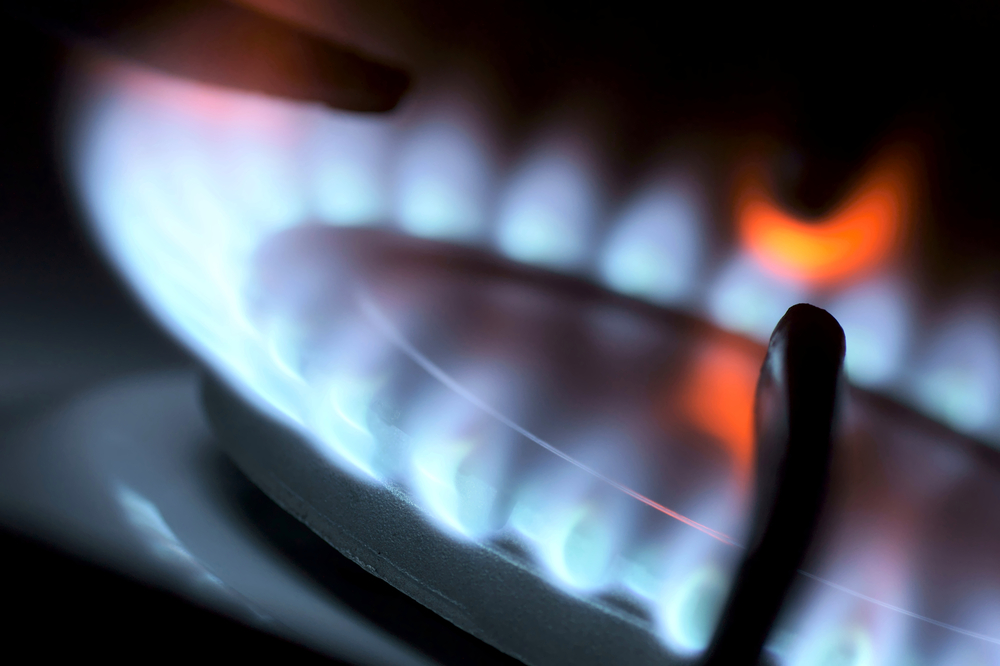
If you notice a distinct gas smell like rotten eggs, hissing, or dead plants, act immediately. Get yourself and others out of the house, then call Philadelphia Gas Works or 911.
Evacuate, avoid sparks, and report the leak right away.
Identifying a natural gas leak quickly is essential for your family’s safety. Many local plumbers suggest keeping emergency numbers on your fridge for quick access during a crisis.
You’ll learn how to spot subtle and obvious signs of a leak, what to do the moment you suspect one, when and how the gas supply can be safely shut off, and which Philadelphia contacts and professionals to call for emergency response and repair.
Expect clear steps on prevention, dealing with insurance and repairs, and local resources so you know exactly what to do before, during, and after a gas incident. For more home safety tips, see our Philadelphia Home Safety Checklist.
Recognizing the Signs of a Gas Leak
You need to act quickly if you suspect gas. Look and listen for physical clues, watch for health symptoms in occupants, and note what equipment or conditions may have caused the leak.
Physical Indicators in Your Home
A strong gas smell is the clearest early warning sign. This sulfur-like odor is added to natural gas to help residents identify a gas leak.
If you smell gas, move everyone outside immediately before doing anything else. A natural gas leak can also be detected by whistling sounds near your stove or furnace.
Listen for hissing or whistling near gas lines, meters, appliances, or wall/floor penetrations. Persistent bubbling in standing water near a meter or gas line and dead or yellowing plants near outdoor lines also suggest a leak.
Look for visible damage: corrosion on pipes, a damaged flexible appliance connector, loose fittings at the meter, or a recently disturbed yard near the service line. If you see any of these, leave the house and call PGW (Philadelphia Gas Works) or 911 from a neighbor’s phone.
Health Symptoms of Gas Exposure
You or others may experience headaches, dizziness, nausea, or eye and throat irritation when exposed to low-to-moderate natural gas concentrations. Symptoms often increase with continued exposure and improve after leaving the area.
Higher exposures can cause difficulty breathing, loss of consciousness, or confusion. If anyone shows severe symptoms, get everyone outside and call 911 immediately.
Pay attention to children, the elderly, and pets, as they often show symptoms first. While gas has an odor, remember that a carbon monoxide detector is needed for odorless gas.
Keep a record of where symptoms are strongest to help PGW technicians. For more on gas safety, visit the official Philadelphia Gas Works website.
Common Causes of Gas Leaks
Appliance failures—loose burners, cracked connectors on stoves, dryers, and water heaters—are frequent causes. Improperly installed or poorly maintained gas appliances increase risk, so ensure certified technicians handle installations.
Corroded or damaged piping (especially older steel pipes), faulty shutoff valves, and physical disturbances from home renovation or landscaping work can create leaks. Outdoor service lines can be struck by digging tools, and indoor lines can be stressed by shifting foundations or settling.
Meter or regulator malfunctions and vandalism also cause leaks. If you suspect any of these sources, evacuate and report the situation; do not try to repair piping or appliances yourself.
Immediate Actions to Take
Move people and pets out of the home right away. Avoid any actions that could create sparks.
Contact emergency responders and your gas utility from a safe location to ensure proper gas leak safety.
Evacuating Your Household Safely
Get everyone outside immediately if you smell rotten eggs, hear hissing, or see dead plants near a gas line. Leave windows and doors as you find them; do not try to shut them.
Close the gas appliance valves only if you can reach them without entering the suspected leak area. Take pets and anyone who needs help with you.
Move at least 100 feet from the building or to a neighbor’s house upwind. Once outside, stay well away from basements, garages, and low-lying areas where gas can collect.
Assign one person to call the family roster so you know who is accounted for. Wait for emergency responders and the utility company to declare the area safe before re-entering.
What Not to Do During a Gas Leak
Do not use anything that can create a spark. That includes flipping light switches, using phones or doorbells inside the building, starting vehicles in attached garages, or lighting matches or candles.
Do not operate gas or electric appliances, including stoves, ovens, heaters, or fans. Avoid touching electrical panels and do not attempt home repairs or to locate the leak yourself.
Do not re-enter the building for belongings until professionals give the all-clear. If you must turn off the main gas valve, only do so if you know its location and can do it from the outside or a safe area without entering the leak zone.
Calling Emergency Services
From a safe distance, call 9-1-1 immediately if you smell gas, hear a hissing sound, or see signs of a leak. Tell the dispatcher your exact address, that you suspect a natural gas leak, and whether anyone is injured or trapped.
Then call PGW’s 24-hour gas emergency hotline at (215) 235-1212 to report the leak directly to the utility. If you live in a different utility area, contact that company’s emergency number instead.
Stay on site at a safe distance if requested by dispatchers so you can provide updates, but do not re-enter the property. Follow instructions from 9-1-1, fire officials, and the utility crew.
How to Safely Shut Off the Gas Supply
You need to find the valve quickly, know the exact steps to stop flow, and recognize when to leave the job to professionals. Follow the instructions below precisely and prioritize your safety.
Locating the Main Gas Valve
Locate your gas meter first; in Philadelphia houses it’s often outside on an exterior wall, basement, or utility room. The main shutoff sits on the pipe coming out of the meter or on the supply line before it enters the house.
Keep a crescent wrench or gas shut-off tool near the meter and store it where you can reach it in low light. Note the valve orientation during normal operation so you know what “open” looks like.
If you rent, ask your landlord or property manager where the valve is and whether any special tool is required. If you cannot find the meter or valve within a minute, evacuate immediately and call 911 and PECO Gas Emergency at 1-800-494-4000 (confirm current local emergency number).
Do not waste time searching in a suspected leak. For more safety tips, see our Emergency Preparedness in Philadelphia guide.
Proper Steps for Turning Off Gas
Wear no open flames and avoid switching electrical devices on or off while near the leak. If it’s safe to approach, use the crescent wrench to turn the valve a quarter turn until the valve stem is perpendicular (across) to the pipe; that indicates “off.”
Turn the valve slowly and do not force rusted hardware. Once closed, do not attempt to relight appliances or reset controls.
Ventilate the area by leaving doors and windows open only after you are safely outside and away from the structure. After shutting the valve, call 911 and your gas utility immediately.
Have a licensed technician inspect and restore service; only utility or qualified personnel should reopen the main valve.
When Not to Attempt Shutting Off Gas
Do not try to shut off the valve if you smell strong gas and feel dizzy, see a fire, or hear hissing that you cannot locate safely. Avoid going inside if you must pass through an area where the odor is strongest.
Do not touch electrical panels, light switches, or cell phones while inside the building; any spark can ignite gas. If the meter or valve is buried, heavily corroded, or inaccessible without special tools, wait for the utility or fire department.
If the utility company or fire personnel instruct you not to turn off the meter — follow their directions. They may need to control service to preserve safety or to perform an orderly shutdown.
Contacting Professionals in Philadelphia
Act quickly: reach trained, licensed technicians and contact PGW or emergency services if you suspect an active leak. Verify credentials, ask about emergency response times, and confirm who will shut and secure the gas service.
Choosing a Certified Gas Technician
Look for plumbers licensed to work on natural gas in Pennsylvania and experienced with Philadelphia Gas Works (PGW) service lines. Ask for a PA plumbing or HVAC license number, proof of insurance, and references from recent Philly jobs.
Confirm the contractor’s familiarity with PGW procedures for service shutoff and meter work. Many experienced plumbers who work regularly with PGW know the required paperwork and notification steps for a natural gas leak repair.
Check whether the company offers 24/7 emergency response and get a written estimate before non-urgent repairs. Compare at least two quotes and verify warranties on parts and labor.
If a permit or inspection is required, ensure the contractor will obtain them and schedule any necessary city inspections.
What to Expect During the Inspection
The inspector will first identify odor sources and perform a pressure test and electronic leak detection around appliances, piping, and the meter. They will check pilot lights, appliance vents, flexible connectors, and outdoor service lines; expect brief appliance shutdowns while they isolate sections.
If they find a leak, they may make a temporary repair or shut service until a permanent fix is completed and PGW clears the line. Request a written report detailing location, cause, repairs performed, and any recommended follow-up.
Keep copies for your records and for PGW or any future contractors.
Preventing Future Gas Leaks
Prioritize regular checks, timely equipment upgrades, and reliable detectors to reduce leak risk and protect your household. Focus on concrete actions you can schedule, items to replace, and specific detector placement.
Routine Maintenance Tips
Have a licensed plumber or HVAC technician inspect your gas lines and appliances at least once a year. This is the best way to prevent a natural gas leak before it starts.
Ask them to check pipe joints, regulator condition, and combustion venting. Visually inspect visible gas lines and appliance connections monthly for rust, corrosion, or loose fittings.
If you smell sulfur/rotten eggs, hear hissing, or notice dying plants near an outdoor line, leave immediately and call PGW or emergency services from a safe distance.
Keep pilot lights and burners clean and adjusted; yellow flames on a gas appliance can indicate incomplete combustion. Replace flexible appliance connectors every 5–7 years or sooner if damaged.
Document service dates and next-inspection due dates.
Upgrading Gas Appliances
Replace aging furnaces, water heaters, stoves, and dryers before they fail; appliances older than 15–20 years often lack modern safety features. When you shop, choose units with sealed combustion or direct venting to reduce indoor leak and combustion risks.
Hire a certified technician for installation and pressure testing after installation. Request that they install a manual gas shutoff valve within reach of the appliance and label it clearly.
Keep model and serial numbers, warranty info, and installation receipts in one folder for future service. Consider converting older iron pipe to modern piping materials if recommended by your technician.
If you remodel, plan new gas runs and have a pro design the layout rather than attempting DIY connections.
Installing Gas Detectors
Install at least one UL-listed natural gas detector near sleeping areas and one on each floor. Place detectors 6–12 inches above the floor for natural gas (methane) because it rises mixed with warm air; follow the manufacturer’s placement guidance for best performance.
Test detectors monthly, replace batteries annually (or use sealed long-life batteries), and replace detectors every 5–7 years per manufacturer instructions. Combine natural gas detectors with a reliable CO detector for broader protection.
A dual-purpose carbon monoxide detector can often sense multiple types of hazards in your Philadelphia home. Connect detectors to your home alarm or smart-home system if possible so you receive remote alerts.
Keep replacement alarms on hand and log installation and test dates in your maintenance folder.
Navigating Insurance and Repairs
Keep records, notify your insurer quickly, and hire licensed local contractors for gas line and structural work. You’ll need clear photos, timestamps, and official contact numbers to move claims and repairs efficiently.
Documenting the Incident
Take photos and video of the appliance, meter, visible damage, and any discolored or warped materials immediately after you are safe.
Capture timestamps on your phone and, if possible, note odor strength, time you first noticed it, and any actions you took (e.g., shut-off valve, left the building).
Keep receipts for emergency expenses such as temporary lodging, emergency repair parts, or hotel stays.
Write down the names and badge numbers of any utility or emergency responders who visit.
Store everything in one folder or a simple digital file named with the incident date for easy retrieval.
Filing an Insurance Claim
Call your homeowners insurer or agent as soon as possible; many insurers require prompt notice to avoid denied claims.
Give them the incident date, PGW report number if you contacted Philadelphia Gas Works, and a brief list of documented damages and emergency costs.
Follow the insurer’s instructions for claim forms and provide the photo folder and responder details.
Expect an adjuster visit for damage assessment; be ready to point out safety-related repairs already completed and supply receipts.
Note claim reference numbers and the adjuster’s contact for follow-up.
For more on home safety, see our Home Safety Checklist.
Coordinating Repairs with Local Providers
Hire licensed plumbers experienced with gas work and Philadelphia permits.
For gas line or meter issues, contact Philadelphia Gas Works (PGW) first if they direct or authorize repairs.
Do not attempt to relight or alter gas lines yourself.
Get at least two written estimates that list scope, parts, labor, permit costs, and timelines.
Verify contractor license and insurance; ask for references and check recent local reviews.
For roof, structural, or electrical work, confirm contractors will coordinate required city inspections and submit permits to the Department of Licenses & Inspections when needed.
For more information on finding qualified professionals, visit the Philadelphia Department of Licenses & Inspections website.
Community Resources and Support
If you need help after a gas leak, local government programs can connect you with emergency repairs and safety services.
Philadelphia’s Basic Systems Repair Program (BSRP) and Division of Housing and Community Development offer assistance for urgent home systems like heating and electrical issues.
Nonprofit organizations provide free or low-cost repairs and referrals.
Rebuilding Together Philadelphia and similar groups focus on health, safety, and energy-efficiency fixes for income-eligible homeowners and tenants.
Call ahead to confirm service areas and eligibility.
You may qualify for utility bill or shut-off assistance while resolving an emergency.
Programs such as LIHEAP and local utility emergency funds can help cover gas or heating costs; contact numbers are typically available on city or agency webpages.
-
Contact the gas company immediately if you suspect a leak.
-
Reach out to 311 or the city’s housing services for referrals.
-
Call local nonprofits for repair help or to request inspection support.
Keep documentation of calls, repair estimates, and any notices you receive.
If you feel unsafe at any time, leave the building and call emergency services from a safe location.
Frequently Asked Questions
What are the main signs of a natural gas leak in a Philadelphia home?
The most common sign is a sulfur-like “rotten egg” smell.
You might also hear hissing near pipes or see dead patches in your lawn near underground lines.
Who should I call for a gas leak in Philadelphia?
Call Philadelphia Gas Works (PGW) at (215) 235-1212 or dial 911 immediately.
Always make this call from a safe location outside your home.
Is it safe to use my cell phone inside if I smell gas?
No, do not use cell phones, light switches, or any electrical devices inside the building.
These can create a spark that might ignite the gas.
Can I fix a gas leak myself?
No, gas leaks require professional repair by a licensed plumber or PGW technician.
Attempting DIY repairs on gas lines is extremely dangerous and often violates local safety codes.
How often should I have my gas appliances inspected?
You should have a licensed professional inspect your gas lines and appliances at least once a year.
Regular maintenance prevents leaks and ensures your system is venting properly.
Will a carbon monoxide detector pick up a natural gas leak?
Most standard carbon monoxide detectors do not detect natural gas.
You need a specific combustible gas detector to sense methane or propane leaks in your home.
For more information on home safety, see our Home Safety Guide.
Learn more about gas leak detection at Dexter.