

Years Serving
Southwest Philadelphia
📍SOUTHWEST PHILADELPHIA, PA — KINGSESSING TO EASTWICK
Electric Water Heater Repair & Installation Service in Southwest Philadelphia
No hot water? Breaker tripping after a storm? Old tank? Same-day repair and flood-safe installations for Southwest Philly homes — Fixed Right, Guaranteed.
Licensed & Insured Master Plumber serving Kingsessing, Cobbs Creek, Elmwood Park, Paschall, Eastwick & Penrose.
In Southwest Philly, the biggest threat to an electric water heater is water. Basements near Cobbs Creek and Darby Creek take on water in heavy storms, and moisture corrodes the 240-volt connections that power the unit. We repair electric water heaters the same day, replace units damaged by flooding, and install new tank and lowboy models raised above the flood line — with an electrical and moisture check, upfront written pricing, and the Philadelphia L&I permit on every installation.
↑ Watch how we work! ↑
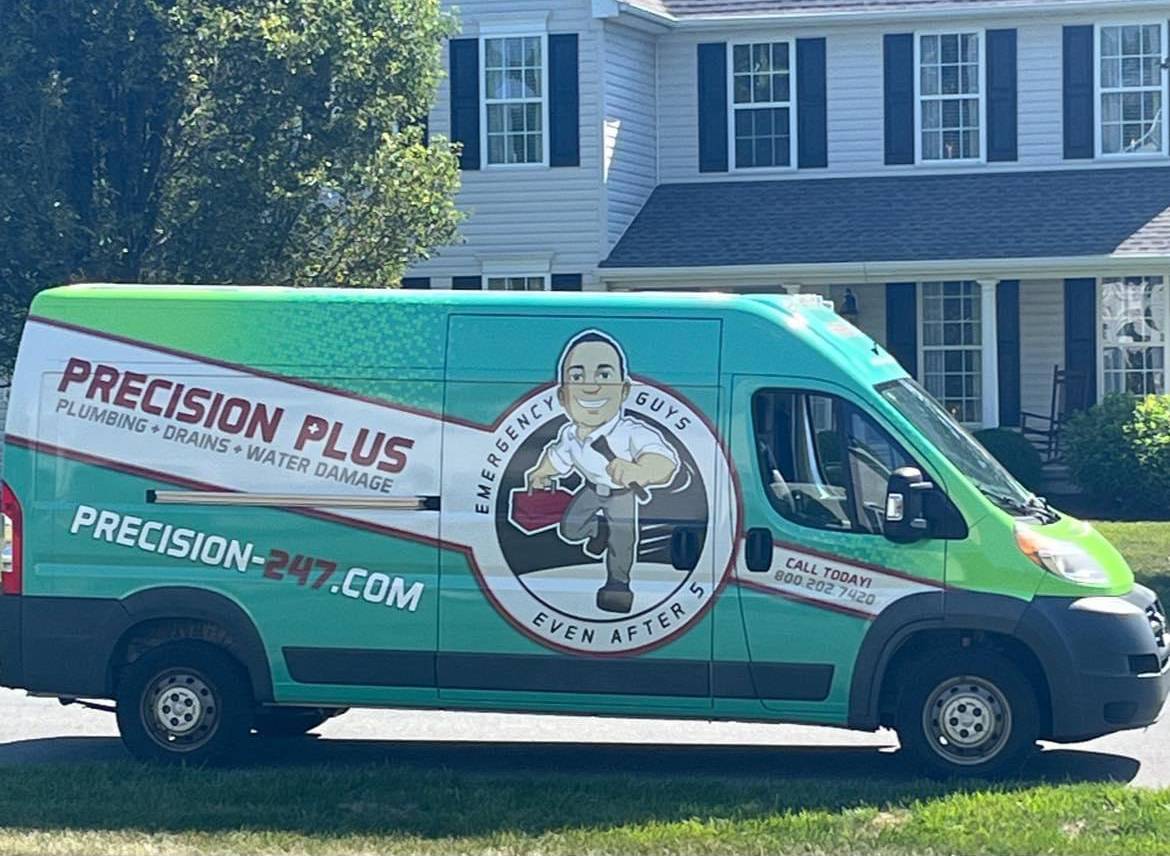
FREE With Every Repair: Water Heater Alarm + Sediment Flush
The alarm warns you the moment water hits the basement floor. The flush clears the sediment that burns out lower elements. $149 Value — Yours FREE.

Est. 1999

Unbeatable Pricing

Nextdoor Verified

Save Time & Frustration

Same-Day Service Guarantee
🛡 1-Year Repair Guarantee — If It Breaks Again Within 12 Months, We Come Back Free. Period.
Our Other Services
We Also Offer
Full-service plumbing + restoration across Southwest Philadelphia. One company handles it all.
Emergency Plumbing
Burst pipes, sewer backups, no-water emergencies. 24/7.
Drain Cleaning
Camera inspection + hydro jetting. Clear the blockage permanently.
Water Heater Installation
Tank and tankless. Electric and gas. Sized to your home’s actual demand.
Gas Leak Detection & Repair
Licensed and certified. Same-day pressure testing and utility coordination.
Water Damage Restoration
Basement flooded? We pump it out, dry it, and fix the plumbing that’s left.
Mold Testing & Remediation
Certified inspectors. If a flooded basement led to mold, we remediate.
Check This Out!
What Water Heater Repair & Installation Service Means in Southwest Philadelphia
Water heater repair and installation service in Southwest Philadelphia covers fixing a water heater that has stopped heating, leaks or trips its breaker, and replacing it with a new unit that fits the home and is protected from basement water. Southwest Philly sits along Cobbs Creek, Darby Creek and the lower Schuylkill, and many basements here flood in heavy storms. Electricity comes from PECO and gas from PGW. A permit from Philadelphia’s Department of Licenses and Inspections (L&I) is required to replace a water heater, and it must be pulled by a licensed plumber.
Keep Reading! ↓
We handle all three sides of the job. Water heater repair: same-visit repair of heating elements, thermostats, high-limit switches, junction box wiring, T&P and drain valves. Installation & replacement: new standard or lowboy electric units, installed on a raised stand above the flood line where needed. Post-flood inspection & replacement: safe de-energizing, junction box and element testing, and insurance documentation when a unit can’t be saved.
☎ Need help right now? Call (484) 436-4190 —
we answer 24/7
Why Precision Plus
Why Southwest Philly Homeowners Choose Precision Plus for Water Heater Service
Many plumbing companies operate as franchises. As a homeowner, you end up paying for their franchise fees, multi-level management and corporate marketing — on top of the repair.
Precision Plus is different. We’re a local, family-owned business with no call center dispatching a random technician. We check the basement conditions, not just the tank, so the same part doesn’t fail again — and we never re-energize a unit whose junction box sat in water until it’s inspected and tested.
What makes us truly unique: We’re the only plumbing company with a Licensed Master Plumber and a Water Damage Restoration department under one roof. When a storm floods your basement, we replace the water heater AND dry out the damage — one company, one call.
Every flood-prone install gets a raised stand above past water lines, sealed anti-corrosion junction box connections, a drain pan routed to a floor drain or sump, and a disconnect you can reach without stepping into water.
What We Fix & Install — Same Day
-
No hot water / tripped high-limit reset
- Breaker keeps tripping after a storm
- Lukewarm water — lower element & sediment flush
- Corroded junction box & wiring
- Leaking or flood-damaged tanks
- Post-flood inspection & insurance photos
- Flood-safe installs on raised stands
Our Work
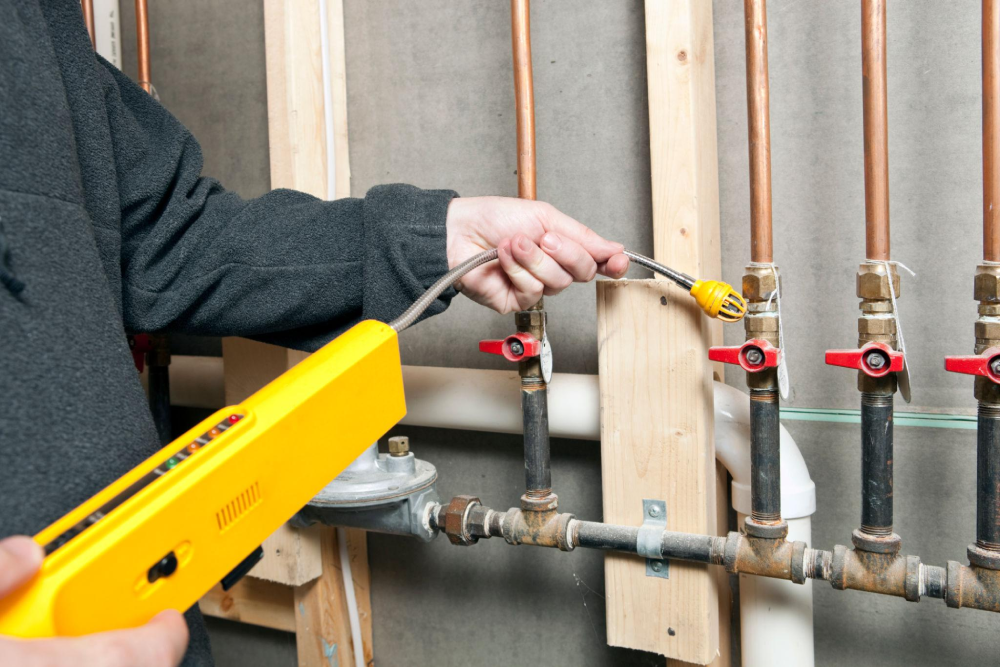
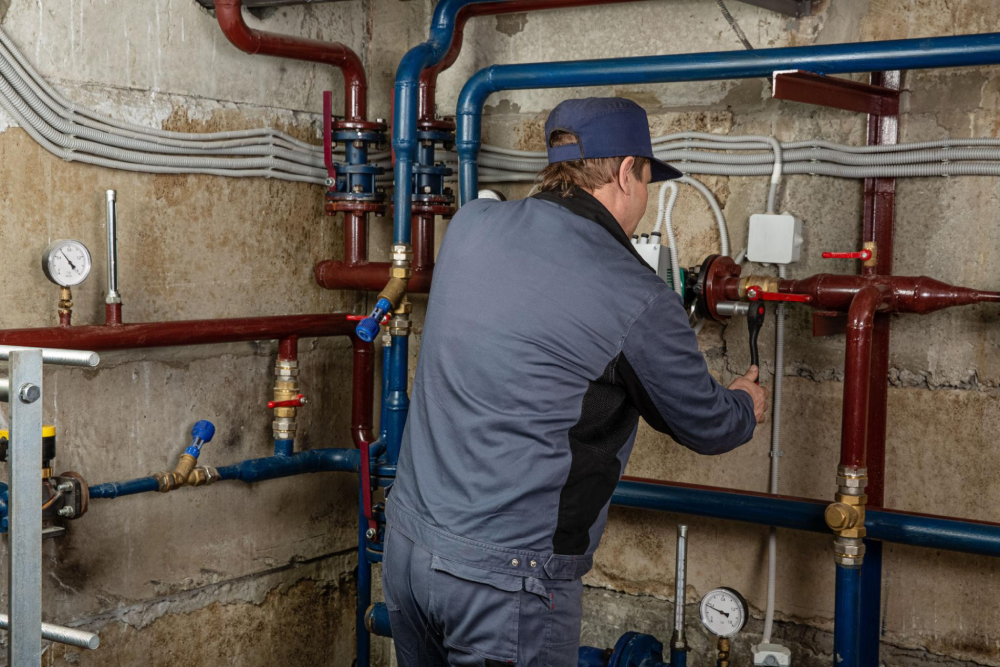
Flood-safe installs on raised stands Southwest Philadelphia
Real repairs and flood-safe installations by our team — from corroded junction boxes to new units raised above the flood line.
Local Expertise
Different Homes. Different Problems.
In most neighborhoods, an electric water heater fails from age. In Southwest Philly, water gets to it first.
Eastwick
19153
→ BASEMENTS THAT FLOOD
Homes near Darby Creek and in low-lying parts of Eastwick can take on water in heavy rain, and a water heater on the floor is the first appliance it reaches. Many Eastwick homes date from the 1960s–70s, with the water heater in a tight utility closet. We check the space and the flood history, then install on a raised stand so the elements, thermostats and junction box sit above past water lines.
Cobbs Creek
19143
→ MOISTURE ON THE 240-VOLT SIDE
Even without a full flood, damp basements corrode junction box terminals and element connections. That causes intermittent heating, breaker trips and, left alone, overheated wiring that’s a fire risk. We clean, replace and seal the connections with anti-corrosion compound on every service call.
Kingsessing
19143
→ PRE-WAR ROWHOUSES & UNDERSIZED CIRCUITS
Kingsessing’s pre-war rowhouses may still have undersized circuits feeding the water heater. A new electric unit needs a dedicated 240V/30A circuit, so we check the circuit, breaker and panel capacity before quoting — and add a dedicated circuit if needed.
Elmwood Park / Paschall
19142
→ SEDIMENT & LOWER ELEMENT BURNOUT
Lukewarm water that runs out fast almost always means a failed lower element. Sediment builds up faster at the bottom of the tank after storms, coats the lower element and makes it overheat. It’s the part we replace most often here — so we replace it and flush the tank in the same visit.
Angora / Mount Moriah
19143
→ BREAKERS THAT KEEP TRIPPING
A shorted element, corroded junction box wiring, a worn breaker or an undersized circuit can all trip the breaker. In basements that have flooded, corroded junction box terminals are the cause most often missed. Don’t keep resetting it — we test from the panel to the element to find the real cause.
Southwest Schuylkill / Bartram Village
19143
→ POST-FLOOD ELECTRICAL SAFETY
A unit that sat in floodwater may need replacement even if it still heats, because water damages the controls, insulation and wiring. We never re-energize a water heater whose junction box sat in water until it has been inspected, cleaned or replaced, and tested. When it can’t be saved, we document the damage for your insurance claim.
Our Process
Our Water Heater Repair & Installation Process
From your call to hot water. Six steps. No surprises.
1
Call or Book — Same-Day Dispatch
(484) 436-4190. No-hot-water and flooded-unit calls are dispatched same day, including evenings, weekends and holidays.
2
Electrical & Moisture Check
We check the breaker and voltage, then open the junction box for corrosion or water damage. If the basement has flooded, we inspect before anything is re-energized.
3
Full Water Heater Diagnostic
Elements, thermostats, high-limit, anode rod and tank condition, with a plain explanation of what failed and why.
4
Written Estimate — Repair or Replace
Exact price before any work. If replacement is the better call, the quote covers the right unit, a raised stand if needed, and the L&I permit.
5
Repair or Install, Then Test
Junction box connections cleaned and sealed, unit run under full load, 120°F confirmed at the tap, T&P valve checked.
6
Flood Protection & Sign-Off
Recommendations for raising the unit, drainage and leak alarms, plus photos and a written report if you're filing an insurance claim. Warranty on parts and labor.

25+
Meet Your Plumber
Derrick Jackson
Founder & Master Plumber • Since 1999
Derrick Jackson founded Precision Plus Plumbing in 1999 to save busy homeowners time and frustration. His team works across Philadelphia’s older homes, including Southwest Philly basements where water damage and electrical problems meet. Derrick is the author of Precision Service Experience, a homeowner’s guide to choosing reputable contractors.
“You can’t lose with us. Guaranteed.” — Derrick
Discover Why Precision Plus Should Be Your 1st Choice for Water Heater Repair.

 Saxon Dave
Trustindex verifies that the original source of the review is Google.
Great service, very professiona,l on time, cleaned up afterwards, very respectable. I would definitely be calling him for all my needs. Before I go to anybody else for anything, i will call Precision Plus first. Five out of five stars for me Mary WorthyPrecision Plus Plumbing came out the next day and quickly got to work. They showed real care for our children’s well-being and handled everything with professionalism and compassion. Highly recommend!
 Keisha Jackson-SmithDerrick was very efficient and professional. He explained what needed to be done in detail and completed the job in a timely manner. I am very pleased with the result.
 Brian FeasterDerrick from Precision Plumbing, performed mold testing, was quick, professional and efficient!
 Beverly BoldenDerrick was quick assessing my issues problem solved in no time great job thanks so much
 Wayne TuckerQUALITY 5 STARS
 Dave WatsonGreat experience! Quick turnaround on a Saturday. Fixed the issue and was a pleasure to work with.
Southwest Philly Homeowners Prefer Our Local Team
Same-Day & 24/7 Service
No-hot-water and flooded-unit calls go first, every day of the year.
Moisture-Aware Diagnostics
We check the basement conditions, not just the tank, so the same part doesn’t fail again.
Repair & Installation Under One Roof
The same team diagnoses, quotes, permits and installs.
Flood-Safe Installs
Raised stands, sealed connections and accessible disconnects as standard where basements flood.
Upfront Written Pricing
You approve the price before any work starts.
All Major Brands
A.O. Smith, Rheem, Bradford White, State, Kenmore, American Standard, Whirlpool, GE, Bosch, Stiebel Eltron.
Our Promise
The Precision Code of Ethics
We Show Up On Time
We give you a real arrival window — and we hit it. If we’re late, we pay you. That’s not marketing. That’s how we operate.
You See the Price First
Written estimate before any work starts. If your flooded unit can be saved, we tell you. If it can’t, you get a straight answer and the photos for your insurance claim.
Not Happy? Don't Pay.
If the repair doesn’t meet your expectations, tell us before we leave. We make it right — or you don’t owe a dime for the work
Common Questions
Frequently Asked Questions
Straight answers on repairs, flood damage and new installations in Southwest Philly homes.
How much does water heater repair and installation cost in Southwest Philadelphia?
Most repairs run $125–$450: a heating element or thermostat is typically $150–$250, and junction box cleaning or rewiring $200–$350. A new electric water heater installed typically costs $1,000–$2,000 or more, depending on the unit, electrical work and whether it needs a raised stand. You get a written estimate first.
How fast can you get to Southwest Philadelphia?
Same day for no-hot-water and flooded-unit calls, including evenings, weekends and holidays.
Is my electric water heater safe to use after a basement flood?
Not until it’s inspected. Turn off its breaker, and don’t reset it if it tripped during the flood. Water in the junction box can corrode the connections and create a shock or fire risk. We inspect, clean or replace the connections, and test the unit before turning it back on.
Should I repair or replace a water heater that sat in floodwater?
It depends on how high the water got and how old the unit is. If the controls, junction box or insulation were soaked, replacement is usually safer. We test it, give you a straight answer, and document the damage for your insurance claim.
Can you install my new water heater above the flood line?
Yes. In basements that have flooded before, we install the unit on a raised stand so the elements, thermostats and wiring sit above past water lines. A lowboy model helps when ceiling height is tight.
Do I need a permit to replace a water heater in Philadelphia?
Yes. Replacing a water heater in Philadelphia requires a plumbing permit from the Department of Licenses and Inspections (L&I), pulled by a licensed plumber. We include the permit in every installation quote.
My breaker keeps tripping. Is it the water heater or the panel?
It can be either. A shorted element, corroded junction box connections, undersized wiring or a worn breaker can all cause it. In damp Southwest Philly basements, corroded junction box terminals are a common cause that’s often missed. Don’t keep resetting it.
Why does my lower heating element keep burning out?
Sediment collects at the bottom of the tank and coats the lower element, which makes it overheat. We replace the element and flush the tank in the same visit, and can suggest a flushing schedule to make the next one last longer.
No Hot Water? Don’t Wait.
Same-day water heater repair and flood-safe installation across Southwest Philadelphia — founded by a Master Plumber, backed by 25+ years of proven results.